CNC Machining Large Parts: A Guide to Precision at Scale
TL;DR
Large part CNC machining is a specialized manufacturing process that uses computer-controlled machinery to produce oversized, high-precision components that are too large for standard equipment. It is essential for industries like aerospace, energy, and defense that require massive parts with exacting tolerances. Success in this field depends on heavy-duty machinery, advanced software, and deep technical expertise to manage the unique challenges of working at a massive scale.
What Defines 'Large Part' CNC Machining?
While there is no single industry-wide standard, CNC machining for large parts generally refers to the fabrication of components that exceed the physical capacity and work envelope of typical CNC machines. This distinction is less about a specific measurement and more about the specialized requirements needed to handle the component's size, weight, and complexity. The process is defined by the need for oversized equipment, specialized handling logistics, and advanced techniques to maintain precision over vast surface areas.
The dimensions that qualify a component as 'large' can vary significantly. For instance, some shops specialize in parts exceeding 161 inches in length, while others handle components that are 72 inches wide and up to 144 inches long. For turned parts, diameters can reach 30 inches with lengths up to 80 inches. According to Napoleon Machine, their capabilities extend to parts up to 48 feet long and weighing as much as 65,000 pounds. These figures illustrate that 'large' is a relative term, but it consistently points to workpieces that require a significant step up in machine size, power, and structural rigidity compared to standard manufacturing.
The critical difference between standard and large-scale machining lies in the magnified impact of physical forces. Factors like tool deflection, thermal expansion, and vibration, which are manageable on smaller parts, become significant challenges when machining large components. As noted in an article by AMFG, machining accuracy for smaller parts is negatively influenced by these factors, but they are greatly amplified when dealing with larger, heavier workpieces, requiring special attention to monitor and correct potential flaws.
Essential Equipment and Technology for Precision at Scale
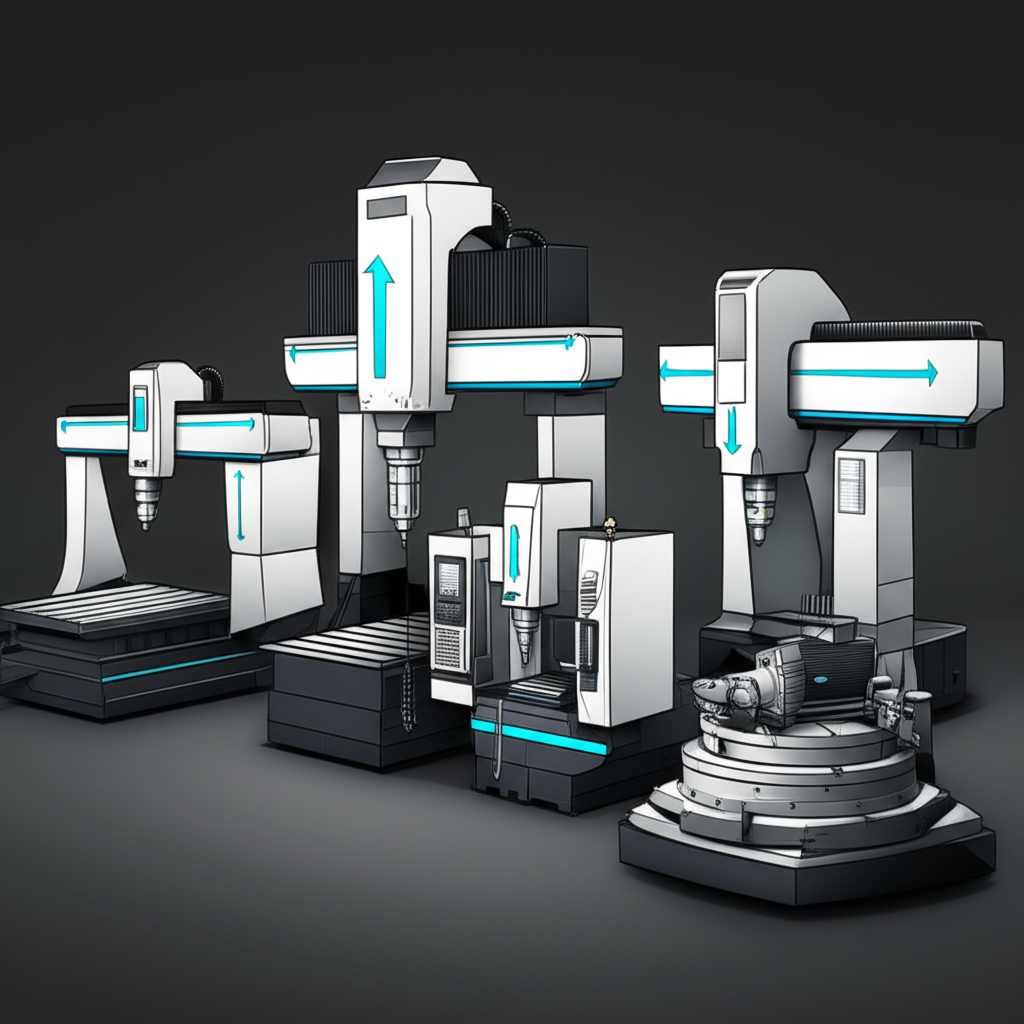
Successfully machining large parts with high precision is impossible without a foundation of specialized, heavy-duty equipment. These machines are engineered to handle immense weight, resist vibration, and maintain accuracy across extensive travel distances. The selection of machinery is a key indicator of a shop's capabilities and is a critical consideration for any client. The necessary hardware goes far beyond standard CNC mills and lathes, encompassing a range of massive, high-performance systems.
Key machinery types include:
- Large-Bed CNC Milling Machines: These include both horizontal and vertical configurations. Horizontal boring mills are often preferred for their ability to support heavy, bulky workpieces and provide superior rigidity. Gantry mills, with their overhead bridge design, are ideal for machining very long and wide parts, such as machine bases or structural frames.
- Vertical Turning Lathes (VTLs): For large, heavy, and short cylindrical parts, VTLs are essential. They use a rotating table to hold the workpiece, allowing gravity to assist in securing it, which is ideal for components like large rings, flanges, and turbine casings.
- Advanced Software: Sophisticated CAD (Computer-Aided Design) and CAM (Computer-Aided Manufacturing) software is crucial. As highlighted by Norwest Precision, programs like Mastercam or Autodesk Fusion 360 are needed to create precise toolpaths for complex geometries on a large scale, helping to mitigate material waste and optimize machining time.
Beyond the primary machines, ancillary technology is equally vital. Advanced inspection equipment, such as Coordinate Measuring Machines (CMMs) and FARO Laser Trackers, is necessary to verify that tight tolerances are met across the entire part. Furthermore, robust material handling systems, including overhead cranes and hoists, are required to safely and efficiently move multi-ton workpieces through the production workflow. This combination of powerful machinery, intelligent software, and logistical support forms the backbone of any serious large part machining operation.
Common Industries and Applications
Large part CNC machining is the cornerstone of numerous heavy industries where massive, high-strength, and precise components are non-negotiable. The applications are diverse, spanning sectors that build and maintain the world's infrastructure, transportation, and energy systems. These industries rely on specialized machine shops to produce parts that are often one-of-a-kind or manufactured in low volumes but are critical to the function of enormous assemblies.
Key industries that depend on this capability include:
- Aerospace and Defense: This sector requires large structural components for aircraft, such as wing spars, fuselage sections, and landing gear assemblies. In defense, applications include manufacturing hulls for armored vehicles, components for naval ships, and large-scale missile systems. The materials are often exotic alloys like titanium and Inconel, adding to the complexity.
- Energy and Power Generation: The energy sector is a primary driver for large part machining. This includes manufacturing components for wind turbines, massive housings and rotors for gas and steam turbines, and parts for nuclear power plants. The sheer size and precision needed for these components are essential for efficient and safe power generation.
- Heavy Equipment and Mining: Manufacturers of construction, agricultural, and mining equipment need large, durable parts like machine frames, chassis, large gearboxes, and booms. These components must withstand extreme stress and harsh operating environments, making robust manufacturing a necessity.
- Industrial Machinery: This broad category includes everything from large press frames and machine tool bases to components for plastics and steel mills. Precision is key to ensuring the final machine operates correctly and has a long service life.
Key Challenges and Material Considerations
Machining large parts presents a unique set of challenges that require more than just bigger equipment; they demand a sophisticated understanding of physics, metallurgy, and logistics. The complexities involved are a primary reason why this work is a specialized niche within the manufacturing industry. Overcoming these hurdles is essential to delivering a final product that meets stringent quality and performance standards.
One of the foremost challenges is achieving and maintaining tight tolerances over long distances. As a part's size increases, the potential for error from thermal expansion grows significantly. Heat generated during machining can cause a large metal workpiece to expand or warp, throwing off critical dimensions. Shops must employ strategies like climate-controlled environments, coolant management, and carefully planned machining sequences to mitigate these effects. As PEKO Precision Products emphasizes, manufacturing tight tolerance parts over 161 inches requires deep expertise and process control.
Material handling and logistics are another major hurdle. Moving a workpiece that weighs several tons requires heavy-duty cranes and skilled riggers. The setup process itself can be time-consuming and hazardous, as the part must be perfectly secured to the machine bed to prevent any movement during machining, which could be catastrophic. Furthermore, the selection of materials is critical. Large components are often made from tough materials like carbon steel, stainless steel, armor plate, or superalloys like Inconel and Hastelloy, which are difficult to machine. Each material has unique properties that affect cutting tool selection, speeds, and feeds, demanding extensive experience from the machinists and programmers.
How to Choose the Right Large Part Machining Partner
Selecting the right supplier for large part CNC machining is a critical decision that can significantly impact project timelines, budget, and final quality. Because of the high stakes and complexity involved, the vetting process must go beyond a simple price comparison. A capable partner will function as an extension of your own team, providing technical expertise and reliable execution. When evaluating potential suppliers, focus on a combination of their equipment, experience, and quality processes.
Consider the following key criteria when making your choice:
- Verified Machine Capacity and Technology: The most fundamental requirement is whether the shop's equipment can accommodate the physical size and weight of your part. Request a detailed equipment list and verify that their CNC mills, lathes, and boring machines have the necessary work envelope and weight capacity. Also, inquire about their software and inspection tools, as modern CAM software and laser-based inspection systems are vital for precision.
- Demonstrated Industry Experience: Look for a partner with a proven track record of machining large parts for your specific industry. A shop that specializes in aerospace components will understand the unique material and documentation requirements, which differ from those for the mining or energy sectors. Ask for case studies or examples of similar projects they have completed.
- Robust Quality Control Systems: Quality assurance is paramount. A reliable supplier should have a well-documented quality management system, with certifications like ISO 9001 or AS9100 being strong indicators of process control. Inquire specifically about their inspection process for large parts, as standard CMMs may not be sufficient. For instance, providers like XTJ highlight their ISO 9001 certification and ability to hold tight tolerances down to +/- 0.005mm, which are key indicators of a quality partner for projects requiring rapid turnarounds and high precision.
- Project Management and Communication: Large-scale projects require clear communication and expert project management. A good partner will be transparent about their processes, provide regular updates, and be able to manage a complex supply chain for any necessary outside processes like heat treating or finishing.
Frequently Asked Questions
1. What is the main difference between large part machining and standard CNC machining?
The primary difference lies in the scale of the equipment and the magnification of physical challenges. Large part machining requires oversized machines like gantry mills and horizontal boring mills to handle the weight and dimensions. Furthermore, issues like thermal expansion, material stability, and vibration, which are minor concerns on smaller parts, become critical factors that must be actively managed to maintain precision over vast surfaces.
2. How are tight tolerances maintained on very large components?
Maintaining tight tolerances on large parts requires a multi-faceted approach. It starts with extremely rigid, high-mass machines that absorb vibration. Climate-controlled facilities are often necessary to minimize thermal expansion of the workpiece and machine. Advanced inspection tools, such as laser trackers, are used to measure features in-process and after completion. Finally, skilled machinists use specialized techniques, like taking lighter finishing passes and carefully managing coolant, to achieve the final required accuracy.
3. What information is needed to get an accurate quote for a large machined part?
To receive an accurate quote, you should provide a comprehensive technical package. This includes 3D CAD models (e.g., STEP files) and 2D engineering drawings with all dimensions, tolerances, and surface finish requirements clearly specified. You must also detail the material type, any required certifications (material certs, certificate of conformance), required inspection reports, and the desired quantity and delivery timeline.
-
Posted in
cnc machining, CNC services, industrial machining, large part machining, precision manufacturing