CNC‑Machined Medical Fixtures & Test Jigs for Device Validation
A medical device prototype can have accurate individual components and still create problems during assembly or functional testing. If a test jig locates a part inconsistently, applies uneven clamping force, or leaves marks on a finished surface, engineers may spend valuable validation time investigating fixture‑related variation instead of the device itself.
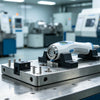
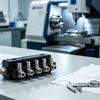
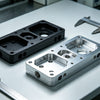
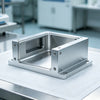
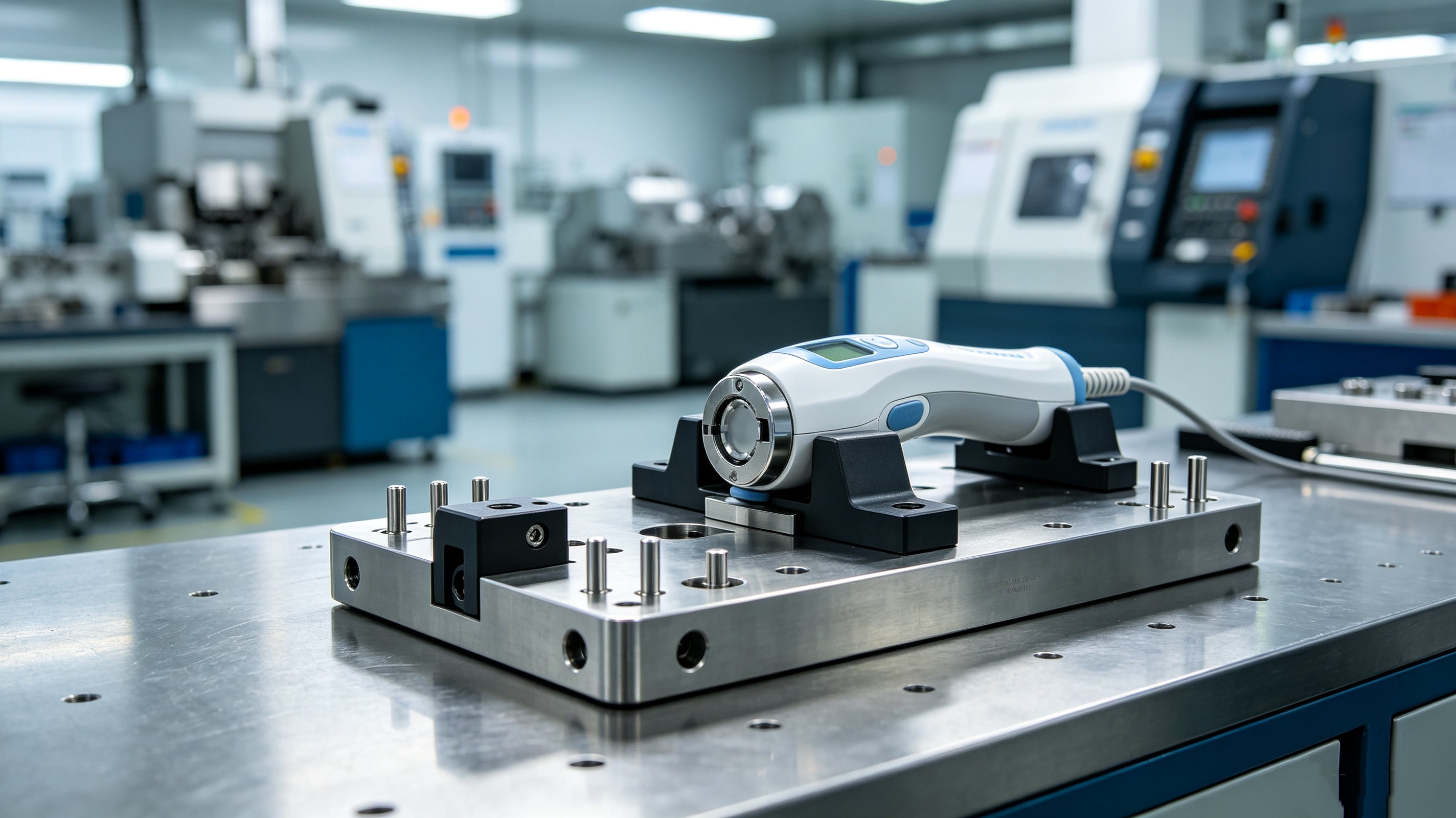
Medical CNC fixtures provide a controlled interface between the product and the assembly or test process. Custom locating nests, clamping plates, alignment blocks, inspection adapters, and functional test jigs can be machined around the actual geometry of a medical component rather than forcing the design into a standard fixture.
For medical startups and established OEM engineering teams, this is particularly useful during EVT, DVT, validation builds, and low‑volume production. The fixture may only be required for hundreds or even dozens of test cycles, but its dimensional behavior still needs to be predictable.

- Locating Accuracy Is Often More Important Than Fixture Complexity
A test jig does not need dozens of moving parts to become difficult to manufacture. A simple fixture with three locating features can create inconsistent test results if those features are not positioned correctly relative to the component's functional datum.
For example, a custom medical test jig may use a combination of dowel locations, machined pockets, support surfaces, and threaded clamps. The critical requirement is not simply achieving a small dimensional tolerance on every feature. The locating scheme must reproduce the same component position from one loading cycle to the next.
This creates several practical machining concerns:
Datum‑to‑datum accuracy: Locating holes, pockets, and support faces must maintain their intended relationship.
Repeatable loading: Operators should be able to seat the medical component without excessive force or interpretation.
Controlled clamp travel: A clamp should secure the part without shifting it away from the locating surfaces.
Access for testing: Probe points, ports, connectors, sensors, or pressure interfaces cannot be obstructed by the fixture.
Easy part release: A tight nest that holds accurately but damages or traps the component is unsuitable for repeated validation work.
For precision testing, engineers should define which surfaces actually establish the test datum before releasing the fixture drawing. This allows the CNC manufacturer to concentrate inspection effort on the features that influence measurement and functional repeatability.
- Preventing Surface Damage During Clamping and Handling
Medical components often contain polished, coated, machined, transparent, or otherwise sensitive surfaces. A fixture can meet its dimensional drawing requirements and still fail the application if contact points create scratches, dents, burr transfer, or cosmetic marks.
This is where CNC machined medical assembly fixtures require a different design mindset from ordinary production tooling.
Contact geometry should be deliberately selected. Instead of allowing a sharp metal edge to press against a visible component surface, the fixture may use a relieved pocket, broad support area, replaceable contact pad, or defined clearance zone.
The machining process also matters. Burrs around drilled holes, milled pockets, and clamp interfaces can become a direct source of component damage. Final deburring and edge treatment should therefore be specified around functional contact areas rather than treated as a cosmetic finishing step.
Another common issue appears during prototype iterations. A fixture designed around Revision A may technically accept Revision B while creating unintended contact with a changed boss, connector, or housing surface. A DFM review before machining can identify these interference risks before material is committed.
For stainless steel fixtures, tool wear and machining strategy also deserve attention because burr control and edge quality can affect the finished contact interface. For aluminum fixtures, protecting machined surfaces during handling and finishing is equally important when the fixture will repeatedly contact delicate prototype parts.
- Low‑Batch Medical Fixture Production Has Its Own Cost Risks
Medical test fixtures are rarely purchased like high‑volume automotive tooling. A development team may need one fixture for engineering evaluation, several units for parallel validation stations, and another revision a few months later.
That production pattern makes flexibility important.
A manufacturer producing custom medical test jigs should be able to work from engineering drawings, 3D CAD, or an evolving prototype specification. The machining plan should account for expected revision changes rather than treating the first fixture as a permanent production tool.
Inspection documentation can also become a practical issue. For a critical locating plate, engineers may need dimensional inspection results for hole positions, pocket sizes, flatness, or other specified characteristics. A fixture intended for validation should have objective dimensional evidence behind the features that establish its repeatability.
For companies working within regulated medical development processes, the machining supplier should also be able to support controlled documentation and an appropriate quality system. ISO 13485‑oriented manufacturing practices can help medical OEMs maintain clearer supplier records, inspection evidence, and revision traceability during prototype and low‑volume programs.
The objective is not to over‑engineer every fixture. It is to identify which characteristics influence the assembly or test result and control those characteristics consistently.

Material Selection: 6061‑T6 Aluminum vs. 303/316 Stainless Steel
The fixture material should match the testing environment, handling frequency, weight requirements, and expected exposure to cleaning agents or process fluids.
| Material | Typical Fixture Advantage | Considerations |
|---|---|---|
| 6061‑T6 Aluminum | Low weight, easy machining, suitable for prototype nests, plates, brackets, and assembly tooling | Softer contact surfaces can be more vulnerable to wear or marking |
| 303 Stainless Steel | Good machinability and useful corrosion resistance for precision fixture components | Heavier than aluminum and generally slower to machine |
| 316 Stainless Steel | Strong corrosion resistance for demanding environments and repeated cleaning exposure | Higher machining cost and longer cycle times than aluminum |
6061‑T6 is often practical when engineers need lightweight tooling that can be modified quickly during development. 303 stainless steel can suit precision components where machinability and corrosion resistance need to be balanced.
316 stainless steel becomes more attractive when the fixture will experience demanding cleaning conditions or exposure to corrosive environments. Material selection should ultimately follow the fixture's actual operating conditions rather than simply choosing the strongest available alloy.
Why Custom CNC Jigs Can Shorten Medical Device Validation Cycles
A well‑designed fixture removes avoidable variables from the test process.
Without a dedicated jig, technicians may manually align a prototype before every measurement or functional test. Small differences in seating position can then introduce variation that engineers must separate from the device's actual performance.
A custom fixture establishes a repeatable physical reference. The operator places the component against defined locating surfaces, applies the specified clamping method, and performs the test from a consistent position.
This can produce several practical gains:
‑ Faster loading and unloading between test cycles
‑ Less operator‑dependent positioning
‑ More consistent sensor, probe, or connector alignment
‑ Easier comparison between prototype revisions
‑ Reduced risk of fixture‑induced surface damage
‑ Better repeatability across multiple validation stations
‑ Faster troubleshooting when test results deviate
For R&D teams, the benefit is not simply faster machining. It is faster learning. When the mechanical interface is controlled, engineers can spend more time evaluating the medical device and less time questioning whether the setup caused the result.
That makes medical CNC fixtures particularly valuable during iterative validation, where several design revisions may pass through the same test procedure in a short period.
Conclusion
A medical test fixture is part of the measurement and assembly system, not merely a piece of workshop tooling. Locating accuracy, controlled clamping, surface protection, inspection, and revision flexibility all influence whether a fixture supports reliable engineering work.
For North American and European medical device developers, CNC machined medical assembly fixtures can provide a practical route to repeatable prototype assembly and functional testing without the cost or lead time associated with complex dedicated production tooling.
Choosing the right aluminum or stainless steel material and controlling the critical locating features from the drawing stage can make low‑batch fixtures easier to manufacture, inspect, revise, and deploy across validation builds.
FAQ
- What are medical CNC fixtures used for?
Medical CNC fixtures are used to position and secure medical components during assembly, inspection, functional testing, and validation. Typical examples include locating nests, clamping plates, alignment fixtures, and component test adapters.
- Which material is best for a custom medical test jig?
6061‑T6 aluminum is often suitable for lightweight prototype and assembly fixtures, while 303 or 316 stainless steel can be preferable when greater wear resistance or corrosion resistance is required. The choice depends on the fixture's environment and contact conditions.
- How precise should a medical test fixture be?
The required tolerance should be based on the device's functional and measurement datums. Critical locating features may require tighter positional control than non‑functional fixture surfaces, so tolerance requirements should be defined around the actual validation process.