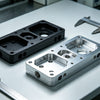
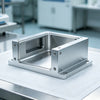
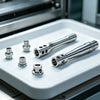
Medical CNC Housings for Diagnostic Devices
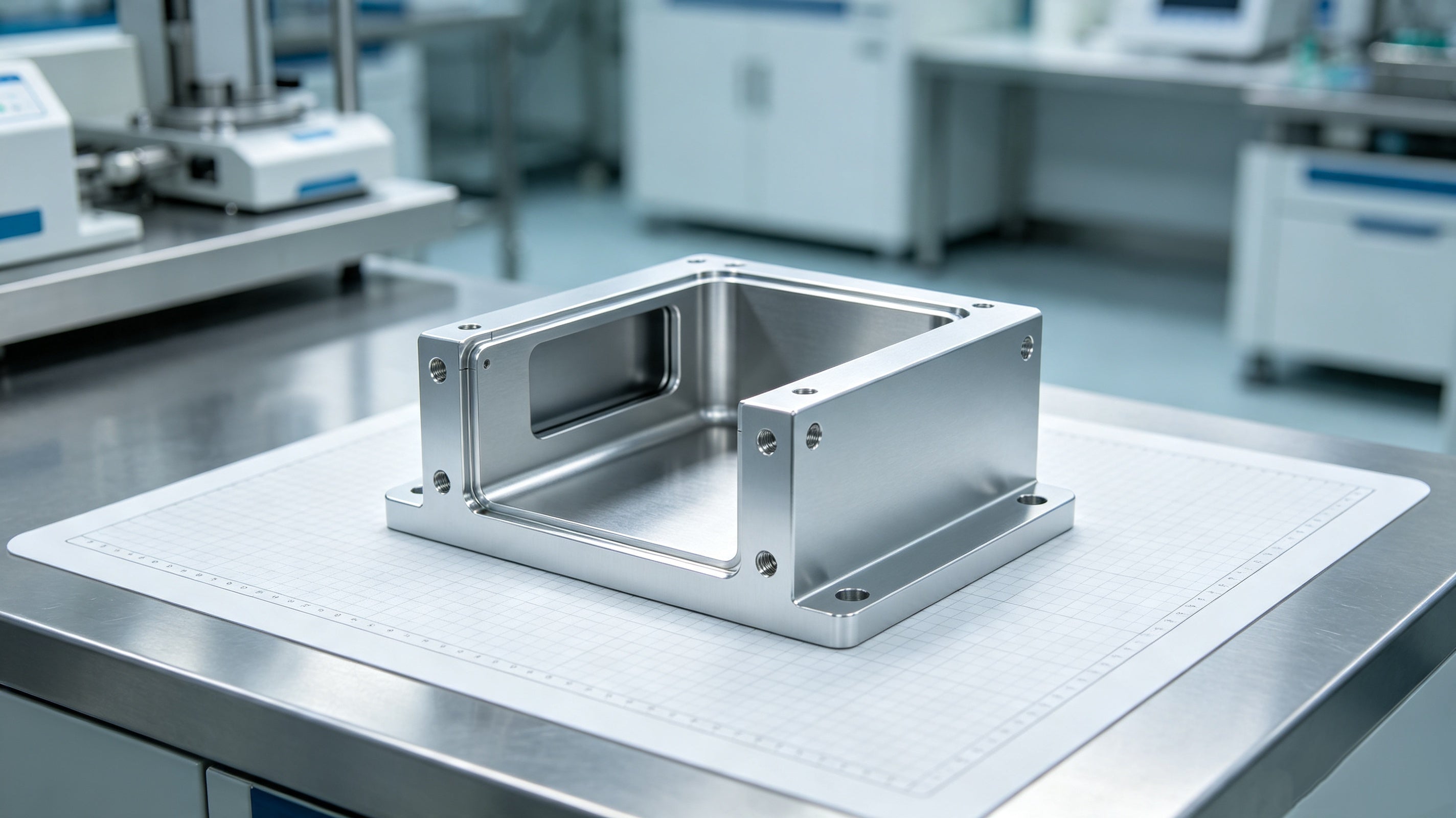
Medical device enclosures often appear straightforward in CAD drawings. However, prototype validation frequently hits roadblocks: thin‑wall warpage, shifted mating tolerances, or improper surface texture that interferes with cleaning and sterilization workflows. These manufacturing defects slow down product verification for diagnostic and wearable medical hardware. Precision medical CNC machining delivers reliable custom medical device components, delivering stable geometry, qualified surface finishes and full traceable material documentation for R&D teams.
Key Manufacturing Obstacles for Medical CNC Housings
Thin‑wall medical enclosure is prone to deformation after extensive material removal for inner cavities and mounting bosses. Improper fixture clamping pressure will damage flatness performance. Optimized machining sequences, custom workholding strategies and gentle finishing passes are critical to keep dimensional stability.
Surface finish is not merely cosmetic for medical housings. Diagnostic equipment requires smooth, easily‑cleanable surfaces. Wearable medical enclosures demand consistent surface quality around sensor cutouts and display interfaces. All surface treatments must match the device’s actual disinfection and sterilization specifications.
Inter‑part assembly repeatability is another core requirement. Connector cutouts, gasket grooves and screw mounting bosses need stable positional tolerance across prototype batches. Medical CNC machined housings must be inspected based on functional datum references, not only simple overall dimension measurements.
Why 5‑Axis CNC Benefits Custom Medical Device Housings
Standard 3‑axis CNC can produce basic enclosures, yet multi‑side angled surfaces, deep recesses and scattered openings demand repeated workpiece re‑clamping. Every re‑setup introduces potential positioning drift risk.
5‑axis CNC completes multi‑face machining within fewer fixture changes. For custom medical device components, sealing grooves, connector ports and mounting patterns maintain unified datum references throughout processing.
It brings reliable process consistency, which greatly reduces cumulative setup error for complex diagnostic housings.

Material Choices for Medical‑Grade CNC Housings
PEEK polymer is widely adopted for diagnostic lab parts and fluid‑contact assemblies. It excels in chemical resistance and electrical insulation, ideal for special non‑metal medical component prototypes.
Medical‑grade 6061‑T6 aluminum fits rigid diagnostic shells, sensor housings and instrument protective covers. It balances lightweight property and excellent machinability. Surface finishing solutions should be customized according to anti‑corrosion and clinical cleaning requirements.
Complete material traceability runs through the whole production cycle. Under ISO 13485 CNC manufacturing standards, raw material certificates, inspection reports and drawing revision records are fully archived for customer audit.

Conclusion
For diagnostic and wearable medical device developers, well‑processed medical CNC machined housings prevent enclosure‑related failures during design validation. Precision medical CNC machining supports both prototype iteration and small‑batch production, with complete material & inspection records for medical compliance.

FAQ
-
Can a thin‑wall medical enclosure be CNC machined without distortion?Yes. We evaluate wall thickness, fixture scheme, cutting sequence and finishing parameters together before formal machining to minimize deformation risk.
-
When should we choose PEEK instead of 6061‑T6 aluminum?Select PEEK if you need electrical isolation or outstanding chemical resistance. 6061‑T6 aluminum is preferred for rigid lightweight metal housings with abundant machined mounting structures.
-
What documentation should buyers request for ISO 13485 CNC manufacturing?You can request raw material certificates, dimensional inspection reports, revision‑controlled drawings and relevant surface‑treatment records.