Rapid Prototyping with CNC Machining vs 3D Printing
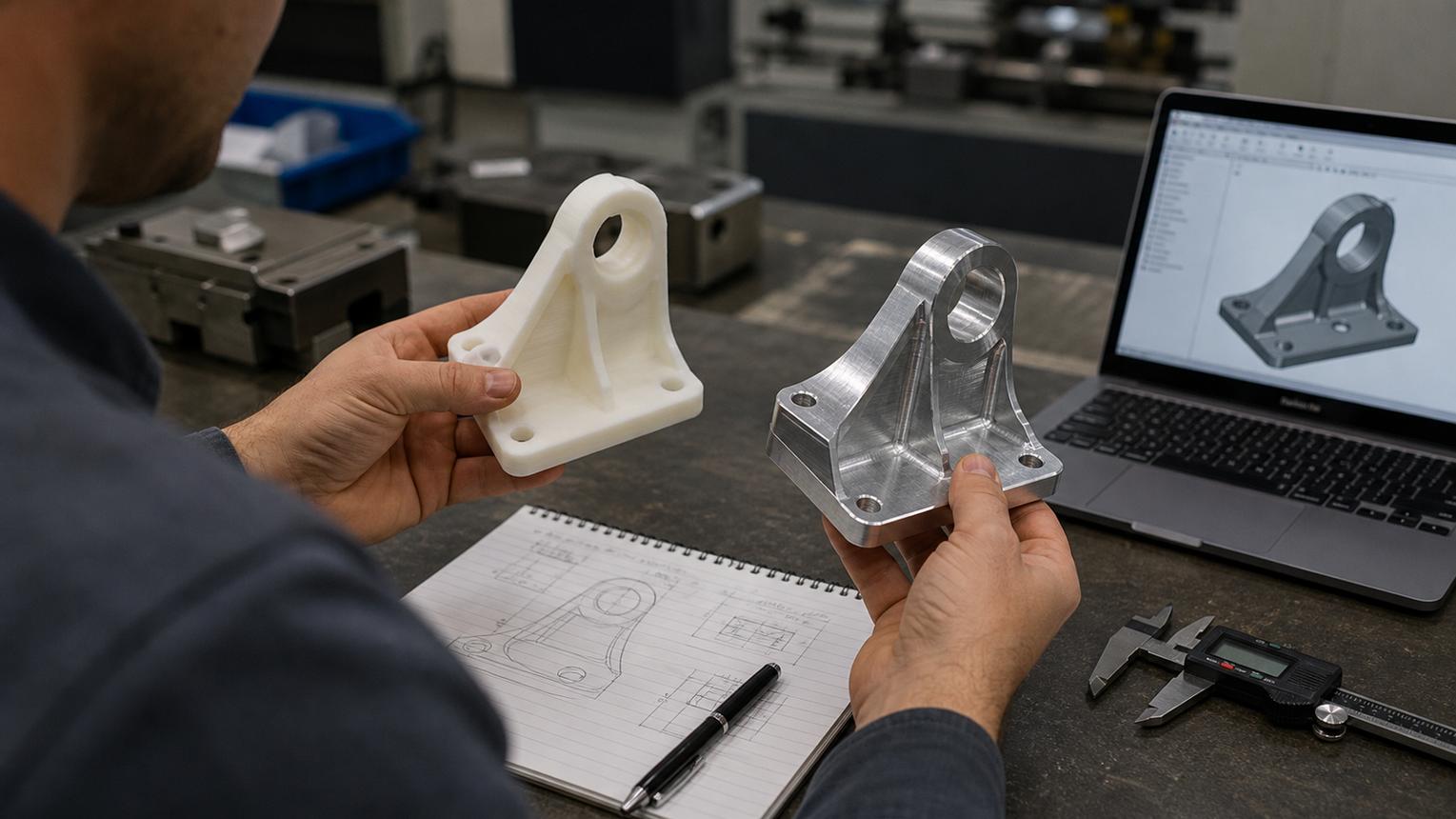
Focus Keyword: cnc machining vs 3d printing for prototyping Secondary Keywords: cnc prototype parts, 3d printed functional prototypes, functional prototype manufacturing
Introduction Rapid prototyping lets engineers validate designs and catch manufacturing issues before mass production. CNC machining and 3D printing are two mainstream options, yet they differ greatly in material performance, tolerance, surface finish, lead time and cost. Knowing the difference between CNC machining vs 3D printing for prototyping helps you pick the right process for each development stage. 3D printing offers design freedom for complex shapes, while CNC machining delivers solid material strength and tight tolerances for production-like functional parts.
1. CNC Machining for Prototyping
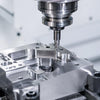
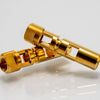
CNC machining is subtractive manufacturing, cutting raw stock into target shapes. It supports aluminum 6061/7075, 304/316 stainless steel, brass, POM, nylon and PEEK. CNC prototype parts keep the bulk mechanical properties of the base material, with reliable dimensional accuracy and stable surface finish. It is ideal for load-bearing, threaded, mating or high-precision features.
2. 3D Printing for Prototyping
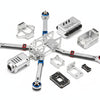
3D printing is additive manufacturing that builds parts layer by layer. Common technologies include FDM, SLA, SLS and metal powder bed printing, using resins, thermoplastics, nylon or metal powder. Its biggest advantage is design freedom for internal channels and lattice structures. It works well for form check, assembly fit and ergonomic testing, though printed parts often have anisotropic strength and may require post-finishing.
3. Core Comparison Between Two Processes
- Manufacturing: CNC subtractive; 3D printing additive
- Materials: CNC supports metals & engineering plastics; 3D printing mainly polymers, resins, limited metal
- Strength: CNC matches bulk material; 3D printing depends on orientation and layer bonding
- Accuracy: CNC tighter; 3D printing affected by shrinkage and supports
- Geometry: CNC limited by tool access; 3D printing excellent for complex structures
- Speed & cost: 3D printing faster & cheaper for low-complexity one-off visual prototypes; CNC is competitive for high-performance metal functional prototypes
4. How to Choose Between CNC Machining and 3D Printing
Choose 3D printing for:
- Visual check, ergonomic testing
- Complex internal geometries
- Frequent design iterations
- Low mechanical load requirements
Choose CNC machining for:
- Load-bearing functional testing
- Production-grade metal or high-performance plastic
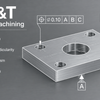
- Tight tolerances, threads and precision mating surfaces
- Final validation before mass production
Many hardware teams combine both: 3D print for early iterations, then switch to CNC for formal functional testing. For reliable functional prototype manufacturing, work with an experienced supplier like xtjmachining.com to turn concepts into test-ready components.

5. Practical Design Tips for Prototypes
- Clarify test goals: visual inspection, dimension check or load test
- Match material to operating temperature and load
- Only apply tight tolerances on critical functional features
- Avoid overcomplicated features that raise machining cost
- Keep later mass manufacturability in mind
FAQ
1. Which gives stronger prototype parts?
CNC machining generally provides consistent bulk material strength. 3D printed strength varies by printing method, layer orientation and material.
2. Which is faster for a single custom part?
3D printing is usually faster for complex low-load prototypes. CNC can be quicker for simple metal parts.
3. When to move from 3D printing to CNC machining?
Switch when you need tight tolerances, real production-grade materials, high mechanical loads, or final performance verification.
Conclusion 3D printing suits early design iteration and complex geometry. CNC machining is the better choice for precision functional prototypes with stable material performance. Matching your prototyping method to your project stage cuts redesign cost and smooths your path to production.