How to Reduce CNC Machining Costs Without Sacrificing Precision
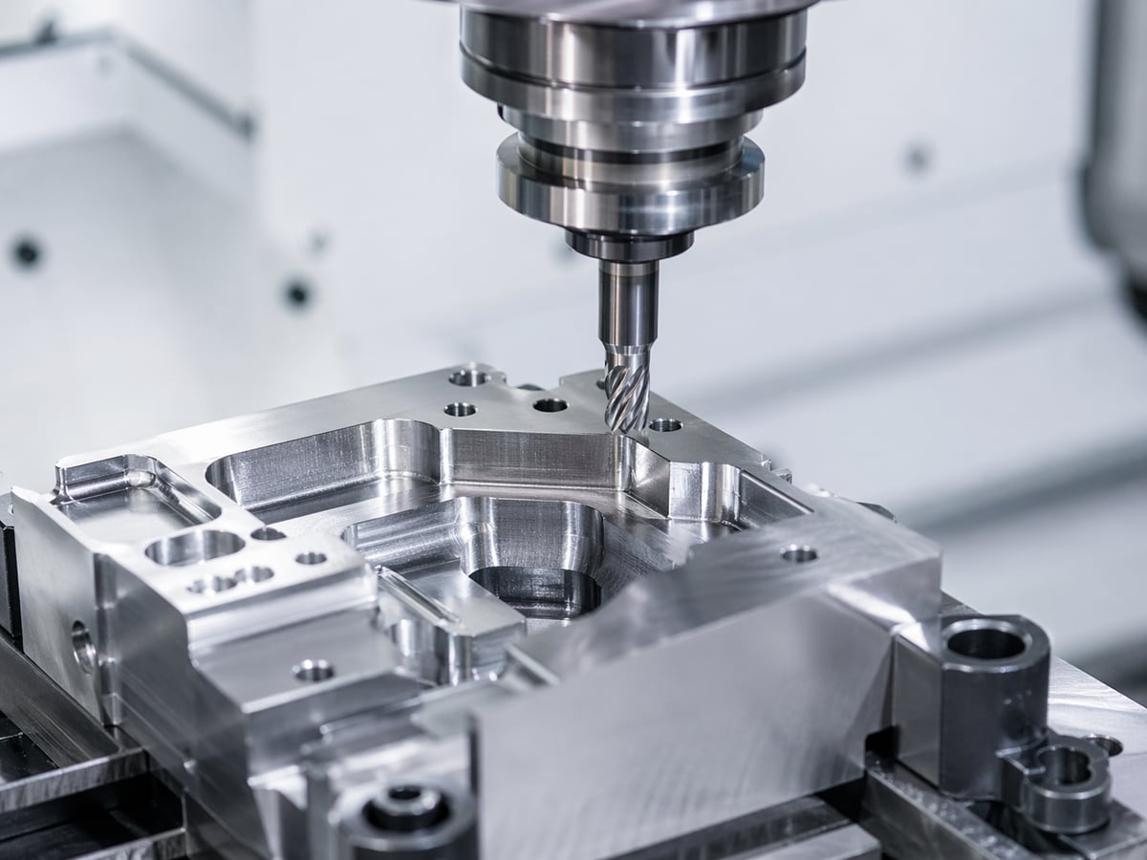
Introduction CNC machining provides high precision and repeatable results, yet costs can quickly rise from overcomplicated designs, premium raw materials, ultra-tight tolerances and inefficient machining workflows.
For mechanical engineers and procurement managers, the core goal is to cut CNC machining costs while keeping part function and dimensional accuracy intact. Cost savings can be achieved by adopting DFM (Design for Manufacturability) principles, smarter material selection and better production planning. This guide shares actionable strategies to get cost-effective precision machined parts.
Simplify Your Part Geometry
A part’s shape directly determines cycle time, tooling needs and overall manufacturing cost. Practical design adjustments for cost reduction include:
- Eliminate non-essential complex contours and decorative features
- Use larger internal corner radii to fit standard end mills
- Avoid overly deep, narrow pockets
- Keep adequate wall thickness to stop machining deflection
- Cut down the number of separate setups
Simplified geometry means fewer machining passes, less tool wear, less chatter and a lower chance of scrap.<AsyncImage quer
Select Suitable, Cost-Efficient Materials
Material choice heavily impacts raw stock cost, cutting speed and tool consumption.
表格
| Material | Typical Applications | Cost Notes |
|---|---|---|
| Aluminum 6061 | Housings, mounting brackets | Excellent machinability, budget-friendly |
| Aluminum 7075 | High-load structural parts | Stronger, higher material cost |
| Stainless Steel 304 | Industrial fittings, hardware | Harder to machine, longer cycle time |
| Brass C360 | Electrical connectors, valve components | Free-cutting, fast machining |
| Titanium Ti-6Al-4V | Aerospace & medical components | Premium material + slow machining |
Always match material performance to real working requirements. Do not specify high-grade expensive alloys if a cheaper alternative satisfies strength, corrosion and weight requirements.<AsyncImage query="Aluminum stainless steel brass titanium CNC machining raw material billets

Rationalize Tolerances and Surface Finishes
Tight tolerances demand slower feeds, extra finishing passes and stricter inspection, all of which add cost. Follow these rules:
- Reserve tight tolerances only for mating / functional surfaces
- Apply standard loose tolerances on non-critical features
- Use GD&T clearly to define critical geometric relationships
- Avoid calling for ultra-fine surface finishes where they serve no purpose
- Separate surfaces that require secondary coating or treatment
For instance, bearing bores and alignment interfaces need precise control, while cosmetic outer surfaces can use standard finishes. Discuss tolerance priorities with your CNC supplier at the quoting stage to avoid unnecessary work.
Leverage DFM to Reduce Extra Machining Operations
Design for Manufacturability helps identify manufacturing obstacles before production starts. Key DFM practices:
- Stick to standard hole sizes and thread specifications
- Reduce frequent tool changes
- Ensure cutting tools have clear access to all features
- Use standard stock bar / plate dimensions
- Minimize secondary operations like rework and hand deburring
Match the machining process to part complexity: simple geometries work well on 3-axis mills, while angled multi-sided features are more efficient on 4-axis or 5-axis equipment. The best solution is always the simplest process that meets your specs.<AsyncImage query="CNC milling machine cutting aluminum precision mechanical component in factory

Optimize Order Batch Size
Setup, programming and fixturing costs are fixed for a run. Unit cost usually drops when these fixed expenses are spread over more pieces. As a rule of thumb, 100 pcs of identical parts will normally yield a better unit price than a prototype run of 5 pieces.
That said, larger runs are not always optimal. You need to balance unit price against inventory holding cost and future design revisions. A common workflow is small-batch prototyping for validation, then scale up volume once the design is locked.
Partner With a Qualified CNC Machining Supplier
The right manufacturer can lower your total cost through proactive DFM feedback, optimized tool paths and stable quality control. When evaluating suppliers, check these points:
- CNC equipment fleet and capability range
- Past experience machining your target materials
- Free DFM review and engineering communication
- Inspection equipment and quality documentation
- Production capacity and lead time consistency=
When sourcing precision CNC parts from China, compare full quotations rather than only unit price. Confirm whether material, machining, surface finishing, inspection and packaging are all included in the quote.

FAQ
- Will relaxing tolerances affect my part performance? Only non-functional dimensions should use standard tolerances. Critical mating dimensions stay tightly controlled, so function remains unchanged.
- Does higher quantity always get the cheapest price? No. Fixed setup cost amortizes over quantity, but over-ordering creates inventory waste.
- Can DFM changes save cost without changing how the part works? Yes. Most DFM tweaks are geometry adjustments for easier machining, while keeping fit, form and function the same.