Copper and Brass CNC Machining for Electrical Components
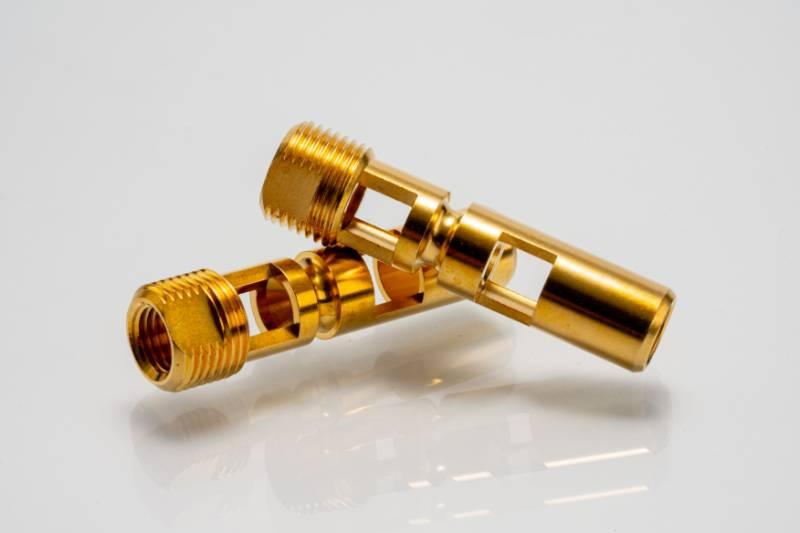
Introduction Copper and brass are top choices for custom electrical CNC components, valued for conductivity, corrosion resistance and machinability. Common parts include busbars, connectors, terminals, heat sinks and contact hardware. Pure copper delivers superior electrical and thermal conductivity yet is soft and ductile, prone to smearing and stringy chips during cutting. Brass machines far easier with controllable chips, ideal for threaded and intricate small parts. This guide compares copper and brass alloys, machining traits, typical use cases and design rules to help engineers and buyers pick the right material for electrical assemblies.
1. Copper vs Brass: Core Material Overview

Copper
Popular grades: C10100 oxygen-free copper, C11000 ETP copper, C14500 tellurium copper ✅ Pros: Ultra-high conductivity, great thermal transfer, corrosion resistance, plating-friendly ⚠️ Machining challenge: Soft, sticky material; long chips, built-up edge on cutters, easy to deform Best for: Busbars, grounding parts, high-current contacts, heat sinks, RF shielding
Brass
Copper-zinc alloy, mainstream grade C36000 free-cutting brass, lead-free option C69300 ✅ Pros: Excellent chip control, stable threading, high turning efficiency, balanced strength ⚠️ Note: Standard C36000 contains lead; use lead-free brass for RoHS / REACH restricted projects Best for: Connector bodies, terminal fittings, threaded inserts, switch hardware

2. Common Alloy Grade Reference
表格
| Grade | Type | Key Benefit | Typical Use |
|---|---|---|---|
| C10100 | Oxygen-free copper | Max conductivity, low oxygen | Vacuum & high-frequency electrical parts |
| C11000 | ETP copper | Industry standard high conductivity | Busbars, heat sinks, power terminals |
| C14500 | Tellurium copper | Better machinability, retain high conductivity | Connector pins, precision contacts |
| C36000 | Free-cutting brass | Best machinability, easy threading | Brass terminals, threaded fasteners |
| C69300 | Lead-free brass | RoHS compliant | Food-grade & restricted electrical fittings |

3. CNC Machining Processes for Copper & Brass
CNC Milling
Make slots, pockets, mounting holes and complex profiles. Copper requires sharp tools and reliable chip removal to avoid smearing. Brass supports high-speed milling for connector housings and brackets.
CNC Turning
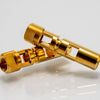
Perfect for cylindrical parts: contact pins, studs, threaded terminals, conductive bushings. Brass is the preferred material for high-volume turning jobs.
Drilling & Threading
Brass threads are stable and easy to hold tight tolerance. Copper threads need careful parameter setup to reduce burrs and thread damage.
Secondary Surface Finishing
Tin plating, nickel plating, silver plating, gold plating and mechanical polishing.
Important: Plating thickness will change final dimension and thread fit, confirm finish requirements upfront.
4. Typical Applications
Copper CNC Parts
- Power distribution busbars
- Copper heat sinks & liquid cooling cold plates
- High-current electrical contacts and grounding components
- RF shielding and waveguide parts
Brass CNC Parts
- Electrical terminals and connector shells
- Threaded inserts, terminal screws and conductive fasteners
- Switchgear and control panel hardware
5. Critical Design Guidelines
- Material first: Pick copper if high conductivity is non-negotiable; choose brass for threaded, high-volume parts with moderate conductivity needs
- Wall thickness: Thin copper walls deform easily, add support and avoid ultra-thin features
- Thread specification: Define thread standard, fit class and engagement depth; soft copper threads are vulnerable to damage during assembly
- Contact surface: Surface roughness and plating directly affect contact resistance for mating electrical surfaces
- Machining setup: Use sharp cutters, sufficient coolant and optimized chip evacuation for copper
6. Quick Selection Checklist
表格
| Factor | Copper | Brass |
|---|---|---|
| Conductivity | Excellent | Moderate |
| Machinability | Harder, sticky | Very good |
| Chip condition | Long, stringy | Short, easy to clear |
| Thread performance | Needs strict control | Stable, high precision |
| Cost | Higher (machining difficulty) | Cost-effective for turning |


7. Quality Control Points
- Dimensional & thread inspection with CMM and thread gauges
- Material alloy certification check
- Surface finish and plating adhesion test
- Optional conductivity / resistance testing for critical electrical components
8. Sourcing Tips for Electrical CNC Parts
Work with a supplier experienced in copper and brass precision machining. Clear drawings must mark alloy grade, tolerance, thread specs and plating requirements. DFM review at early stage can cut cost and avoid manufacturing defects. You can get reliable custom conductive machined components from xtjmachining.com
FAQ
- Is brass easier to machine than copper? Yes. Free-cutting brass like C36000 is stable for high-speed turning and threading. Pure copper is soft and sticky, requiring special tooling and chip control.
- What copper grade is best for busbars? C11000 ETP copper is the standard choice for most power busbar applications.
- Can brass threads meet tight tolerance for electrical connectors? Absolutely. C36000 brass is widely used for precision threaded terminals. For lead-limited markets, switch to C69300 lead-free brass.
Conclusion
Copper and brass each fill unique roles in electrical CNC manufacturing. Copper is the go-to material for high conductivity and thermal transfer, while brass delivers efficient, low-cost production for threaded connectors and terminals. Matching material grade, design and machining strategy ensures stable electrical performance and consistent part quality.