Accelerate Your Vision: CNC Prototyping for Startups

TL;DR
For startups, CNC prototyping is an essential method for rapidly creating precise, durable, and cost-effective hardware prototypes. It uses computer-controlled machines to carve parts directly from production-grade materials like metal and plastic. This approach accelerates product development by enabling startups to produce functional, testable parts in days, bypassing the high initial costs and long lead times of traditional manufacturing.
The Core Benefits of CNC Prototyping for Startups
In a competitive market, speed, precision, and budget management are critical for a startup's survival. CNC (Computer Numerical Control) machining directly addresses these challenges, offering a powerful tool for turning a digital design into a tangible product. It provides a strategic advantage by allowing founders to iterate quickly and validate their ideas with high-fidelity prototypes that function just like the final product.
Speed and Rapid Turnaround
Startups operate on accelerated timelines where every day counts. CNC machining drastically reduces the time between design and physical prototype. As highlighted by manufacturing experts, online CNC services can deliver finished parts in as little as 3 to 7 days. This rapid turnaround is a game-changer, enabling multiple design iterations in the time it would take for one cycle with traditional methods. Faster iteration means faster problem-solving, quicker feedback from user testing, and a shorter path to a market-ready product.
High Precision and Tight Tolerances
A prototype that doesn't work correctly is a waste of time and money. CNC machines are renowned for their incredible accuracy, capable of achieving tolerances as tight as ±0.005mm. This level of precision ensures that components fit together perfectly, mechanical functions operate smoothly, and the prototype accurately represents the final product's quality. For startups, this precision is not just a technical specification; it's a way to build trust with investors and early customers by demonstrating a commitment to quality from the very first model.
Material Versatility and Durability
Unlike some other prototyping methods, CNC machining is not limited to a small selection of fragile plastics. It is a subtractive process that carves parts from solid blocks of production-grade materials. This means startups can create prototypes from the exact materials they plan to use for the final product, including various grades of aluminum, stainless steel, copper, and engineering plastics like ABS or POM. This allows for realistic functional testing, including stress, thermal, and load-bearing analysis, which is impossible with less durable materials.
Cost-Effectiveness for Low Volumes
Traditional manufacturing often requires significant upfront investment in molds and tooling, which can be prohibitively expensive for a startup needing only a handful of parts. CNC machining eliminates these costs by working directly from a CAD file. This makes it exceptionally cost-effective for producing low volumes, from a single part to a small batch of 100. According to an article in BOSS Magazine, this allows startups to stretch their budgets further, creating high-quality prototypes for investor demos or beta testing without committing significant capital.
CNC Machining vs. 3D Printing: Which is Right for Your Prototype?
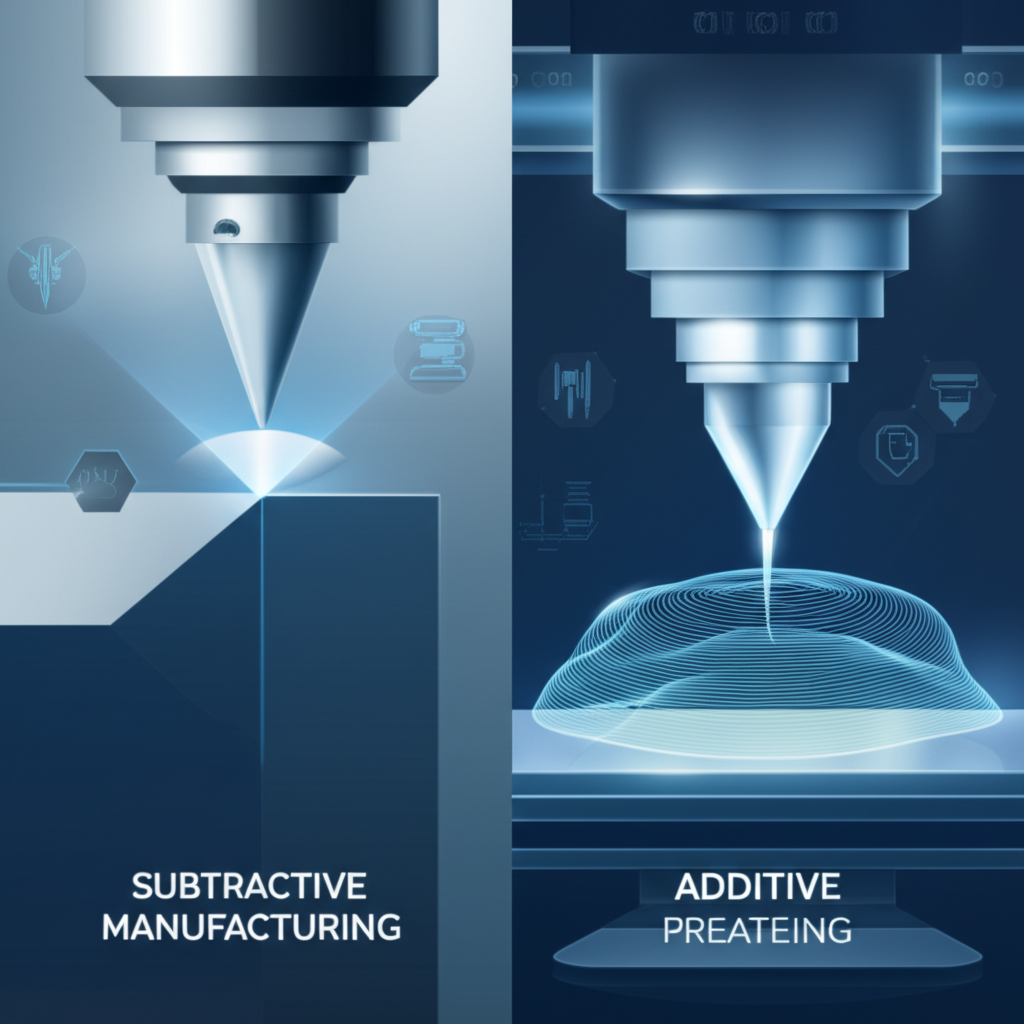
For hardware startups, the two most common rapid prototyping methods are CNC machining and 3D printing (additive manufacturing). The best choice depends entirely on your prototype's purpose, budget, and material requirements. While 3D printing is excellent for early-stage visual models, CNC machining excels at creating functional, robust parts that mimic final production quality.
Understanding the key differences helps in making an informed decision that aligns with your development stage and testing needs. Here’s a breakdown of how these two powerful technologies compare:
| Factor | CNC Machining | 3D Printing |
|---|---|---|
| Precision & Tolerance | Very high (typically ±0.1mm to ±0.005mm). Ideal for parts that require a precise fit. | Good, but generally lower than CNC. Layer lines can affect surface finish and dimensional accuracy. |
| Material Options | Wide range of metals (aluminum, steel, brass) and engineering plastics (ABS, Delrin, Nylon). | Primarily plastics (PLA, ABS, PETG), resins, and some specialized metals (more expensive). |
| Strength & Durability | Excellent. Parts are carved from a solid block, retaining the material's full structural integrity. | Varies. Layer-by-layer construction can create weak points, making parts less durable under stress. |
| Cost | Higher per-part cost for single units, but becomes more competitive in small batches. No tooling cost. | Very low cost for one-off visual models and simple parts. |
| Speed | Fast turnaround, typically 3-7 days for finished parts. | Extremely fast for simple, single parts (can be hours), but slower for batches. |
| Best Use Cases | Functional prototypes, fit testing, mechanical components, and low-volume production runs. | Concept models, proof-of-concept prototypes, complex geometries, and non-functional visual aids. |
In summary, a resource like PrototyperLab suggests a clear path: use 3D printing for rapid, low-cost validation of form and basic concepts. When you need to test function, durability, and real-world performance, CNC machining is the superior choice. Many startups use a hybrid approach, starting with 3D prints to refine ergonomics and aesthetics before moving to CNC for engineering validation and pre-production testing.
Key Factors for Startups When Choosing a CNC Machining Service
Selecting the right manufacturing partner is as crucial as perfecting your design. A good partner acts as an extension of your team, providing expertise and reliability. When evaluating CNC machining services, startups should look beyond the price tag and consider factors that impact quality, speed, and scalability.
For startups that need high-precision parts quickly, a service like XTJ offers a compelling option with advanced 4 and 5-axis CNC machining, lead times from just 3 days, and tolerances down to +/- 0.005mm. Their ISO 9001 certification and experience with over 30 materials make them a reliable choice for demanding applications from aerospace to medical devices. You can explore their capabilities at XTJ CNC Machining Services.
Here are the key criteria to consider when making your choice:
- Tolerance Capabilities: Ensure the service can meet the precision your design requires. Ask for their standard tolerances and whether they can handle more demanding specifications if needed. This is critical for parts that must fit into a larger assembly.
- Material Availability: A good partner should offer a wide selection of materials, from common aluminum alloys to specialized engineering plastics. Access to the right materials is essential for functional prototyping, as explained by service providers like JLCCNC.
- Quoting Process and Transparency: Look for services that offer instant or rapid quotes. The process should be transparent, with a clear breakdown of costs. Avoid partners with hidden fees or long, complicated quoting cycles that can slow down your development process.
- Turnaround Time: Speed is a startup's advantage. Clarify the service's typical lead times from order confirmation to shipping. A reliable partner will provide a realistic timeline and stick to it, helping you maintain momentum.
- Quality Control and Support: Ask about their quality assurance process. Do they have certifications like ISO 9001? Furthermore, assess their customer support. A partner with knowledgeable engineers who can provide design feedback is invaluable, helping you optimize your parts for manufacturability and reduce costs.
From CAD Model to Physical Prototype: The CNC Process Explained
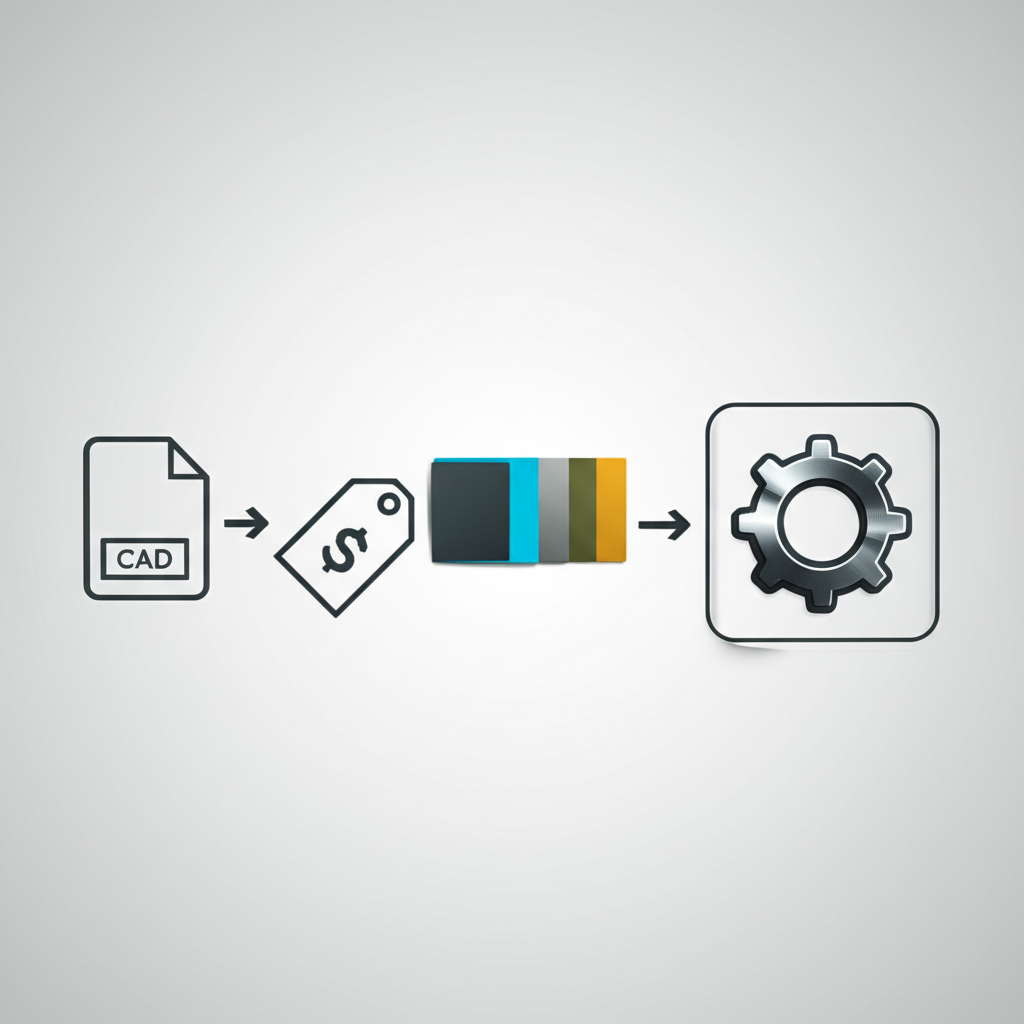
For those new to manufacturing, the CNC machining process can seem complex. However, modern online services have streamlined the workflow, making it highly accessible even for non-engineers. The journey from a digital file to a physical part typically involves four straightforward steps, designed to be fast and efficient.
- Finalize and Upload Your CAD Design: The process begins with your 3D CAD (Computer-Aided Design) model. This digital blueprint contains all the geometric information for your part. Once your design is ready, you export it in a standard format like STEP, IGES, or STL and upload it to the machining service's online platform.
- Select Your Material and Finish: After uploading the file, you'll choose from a list of available materials, such as Aluminum 6061, Stainless Steel 304, or plastics like Delrin (POM). You can also specify any post-processing finishes you need, such as anodizing for color and corrosion resistance, bead blasting for a matte texture, or polishing for a smooth surface.
- Receive an Instant Quote and Confirm: Sophisticated online platforms will analyze your design's complexity and your material choice to generate an instant quote. This transparency allows you to immediately understand the cost and make decisions without waiting for manual review. Once you approve the quote and timeline, you can confirm the order.
- Manufacturing and Quality Assurance: The service's engineers then convert your CAD file into G-code, which instructs the CNC machine. The machine precisely carves your part from a solid block of the selected material. After machining, the part undergoes a quality assurance inspection to ensure it meets all dimensional and tolerance requirements before being shipped to you. This entire process is key to accelerating hardware development, a point emphasized by industry leaders like Protolabs.
Your Strategic Path to a Market-Ready Product
For startups, CNC prototyping is more than just a manufacturing technique; it is a strategic asset. It provides the speed, precision, and flexibility needed to transform an idea into a functional, market-ready product efficiently. By leveraging CNC machining, founders can de-risk their product development, impress stakeholders with high-quality physical models, and gather crucial user feedback early in the process. This powerful technology levels the playing field, giving small companies the tools to innovate and compete with established players.
Frequently Asked Questions
1. What is the most profitable CNC project?
While startup prototyping focuses on product development rather than immediate sales, a commonly cited profitable CNC project is the creation of custom panel furniture. CNC routers are highly effective for manufacturing cabinets, wardrobes, shelves, and office furniture. The ability to create custom, high-value wood products efficiently makes this a popular application for those using CNC machines for commercial production.
-
Posted in
cnc machining, hardware development, prototyping, rapid prototyping, startups