DFM Guidelines for Custom CNC Machined Parts
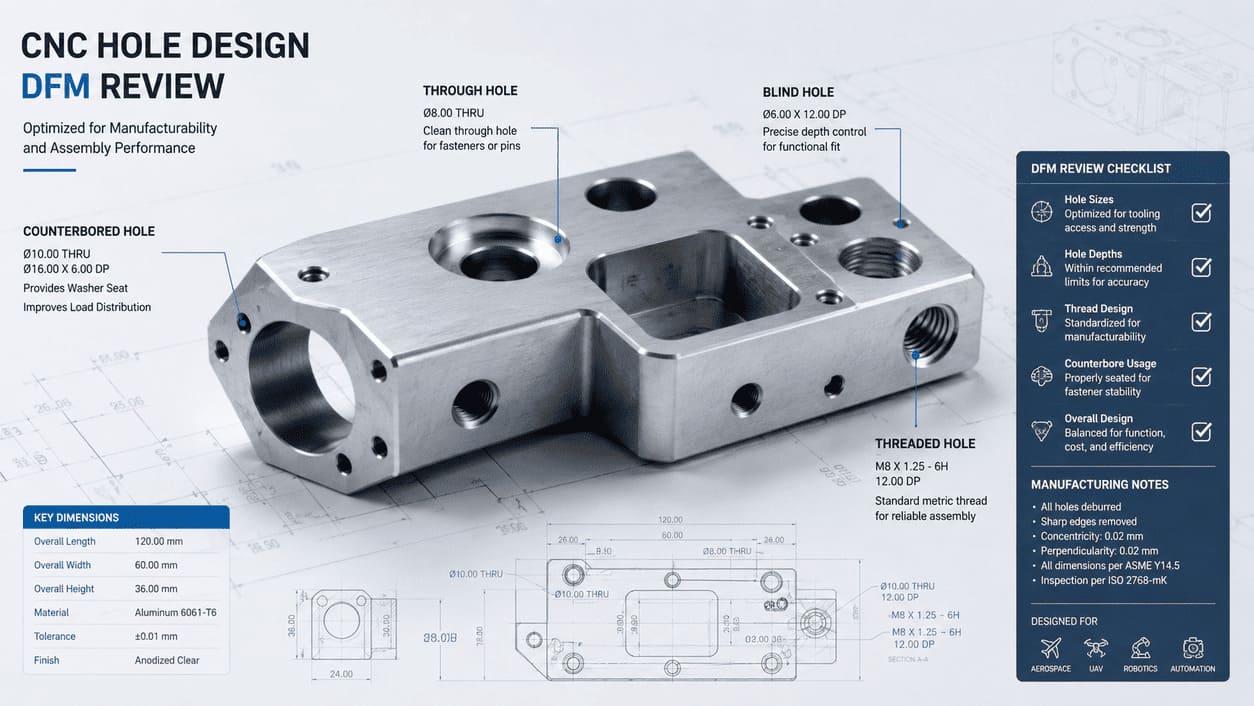
Focus Keyword: DFM guidelines for CNC machined parts Secondary Keywords: CNC DFM design rules, design for manufacturability CNC, custom CNC part design tips
Introduction Design for Manufacturability (DFM) is essential for CNC machining. It helps engineers design parts that are simpler, faster and cheaper to produce. Badly optimized designs often require extra setups, special tools and longer lead times, which raise cost and introduce dimensional errors. This guide shares practical DFM principles for custom CNC components to catch manufacturing risks before production starts.
Simplify Part Geometry
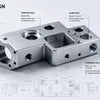
Complex shapes increase machining difficulty. Where possible:
- Cut unnecessary complex curves and decorative features
- Limit deep, narrow pockets
- Use larger internal corner radii
- Reduce features that block tool access Simplified geometry lets machinists use standard cutting tools and run more efficient programs.
Set Realistic Tolerances
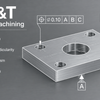
Overly tight tolerances add inspection and machining cost. Only apply strict tolerances to functional mating surfaces, mounting holes and bearing seats. Use general tolerances for non-critical features, apply GD&T for key geometric relationships, and confirm challenging specs with your CNC supplier early.
Control Wall Thickness
Thin walls easily deform from cutting force, vibration and residual stress. Keep adequate wall thickness, add support ribs when needed, and avoid large unsupported thin sections. Discuss deformation risks with your manufacturer during DFM review.
Standardize Pockets, Holes & Threads
Standard features cut tool change time and improve consistency:
- Internal corners: match radius to standard end mills
- Deep pockets: keep reasonable depth-to-width ratio
- Holes: stick to standard drill sizes
- Threads: use common metric or imperial sizes
- Blind holes: leave drill tip clearance
Choose Materials and Finishes Wisely
Pick materials based on actual functional needs, not over-specify expensive grades.
- 6061 Aluminum: brackets, housings, easy to machine
- 7075 Aluminum: high-strength structural parts
- 304 / 316L Stainless: industrial & medical components
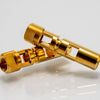
- Brass C360: electrical connectors
- Ti-6Al-4V: aerospace, high-strength medical parts
Clarify surface finishes such as anodizing, passivation or polishing, as coatings alter final dimensions.
Ensure Tool Accessibility & Minimize Setups
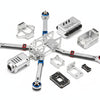
Even simple CAD shapes can be hard to machine if tools cannot reach features. Leave clearance for cutting tools and holders, avoid unnecessary undercuts, and reduce re-fixturing. Select 3/4/5-axis machining according to your geometry.
Get DFM Review Before Production
Send your CAD files and drawings to your CNC supplier for a DFM check before full production. The review covers critical tolerances, material availability, fixturing strategy, surface finish and inspection requirements. Early communication avoids rework and delivery delays for overseas sourcing.

FAQ
- What are the core CNC DFM rules? Simplify geometry, use practical corner radii, avoid over-tight tolerances, maintain proper wall thickness, standardize holes/threads and guarantee tool access.
- What problems come from poor DFM? Poor DFM causes tool deflection, vibration, thin-wall warping and bad chip evacuation, leading to dimension drift, poor surface finish and higher scrap rates.
- Is a DFM check necessary before CNC machining? Yes. Early DFM review identifies design flaws upfront, optimizes the process and saves costly rework after parts are machined.
Anchor text for outbound link: precision custom CNC machining with DFM review support