Low Volume CNC Machining for Prototypes and Custom Industrial Components
Introduction

Developing a new product or sourcing custom industrial components often requires precision parts without the commitment of large production volumes. For mechanical engineers, hardware startups, and procurement teams, low volume CNC machining offers a practical way to manufacture functional prototypes, test designs, and produce small quantities of custom components while maintaining dimensional accuracy and material consistency.
Unlike mass production, low volume manufacturing allows companies to order only the parts needed for a specific development stage, pilot run, or short-term production requirement. This approach reduces inventory risks, supports iterative design changes, and helps engineering teams move from concept validation to commercial production more efficiently.
CNC machining is especially suitable for parts with tight tolerances, complex geometries, or engineering-grade material requirements. With computer-controlled cutting workflows, proper material selection and formal quality inspection, manufacturers can deliver reliable components from a single prototype up to several hundred pieces.
Understanding the capabilities, cost factors, and sourcing best practices of low volume CNC machining helps buyers make confident decisions across the product development lifecycle.
What Is Low Volume CNC Machining?
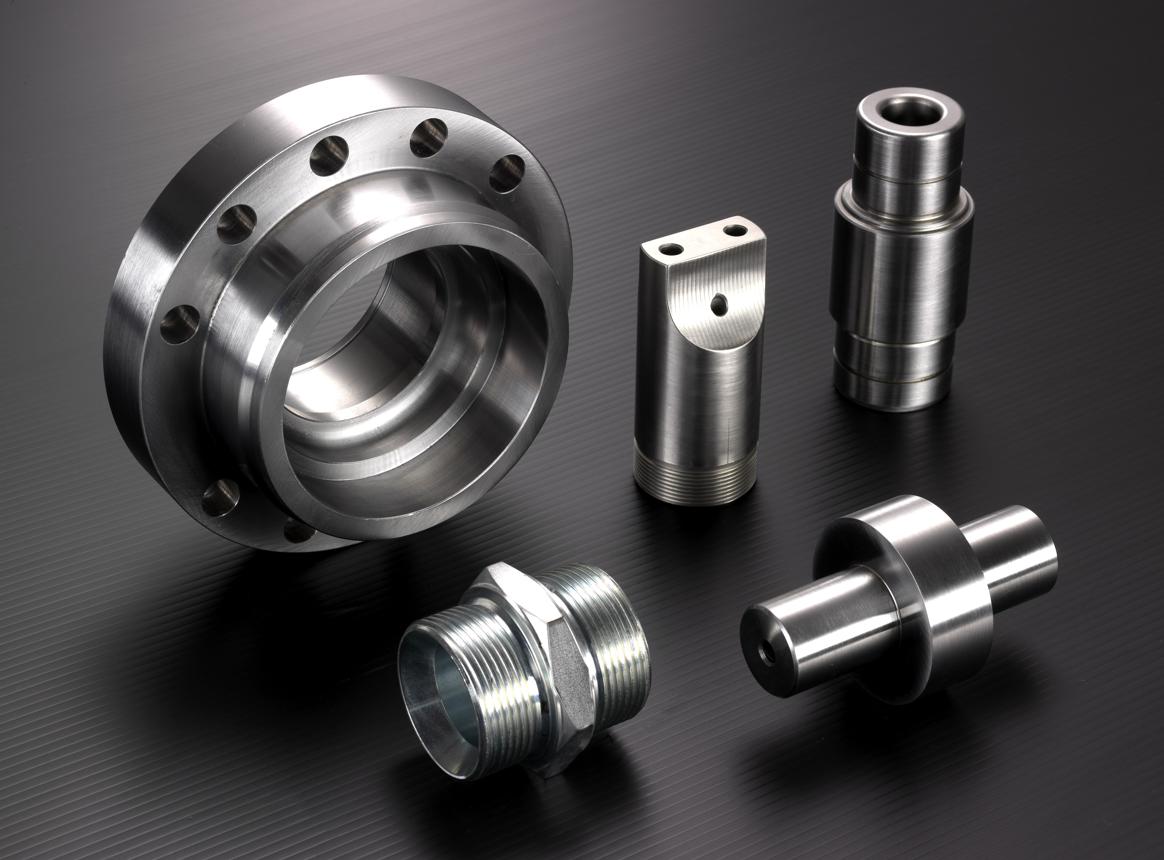
Low volume CNC machining refers to the production of precision components in small quantities using computer numerical control equipment. Common operations include CNC milling, CNC turning, drilling, boring, and multi-axis machining.
The machine follows programmed toolpaths to remove material from solid stock, fabricating parts to match engineering drawings or 3D CAD models.
Typical applications include:
- Functional prototypes for mechanical and electronic products
- Custom brackets, housings, and mounting components
- Industrial equipment replacement parts
- Small production runs for specialized machinery
- Pilot production components before full-scale manufacturing
- Custom fixtures, adapters, and precision assemblies
Compared with injection molding and other tooling-heavy manufacturing methods, CNC machining usually carries much lower upfront tooling investment. This makes it ideal for projects with uncertain order volumes or frequent design revisions.
That said, per-unit costs for low-volume runs are generally higher than mass production processes. Buyers should evaluate total project cost rather than only comparing individual part prices.
Why Choose CNC Machining for Prototypes and Small Batches?
- Faster Design Validation Prototypes need to reflect the real mechanical properties and functional performance of the final product. CNC machining uses production-grade materials, so engineers can verify strength, fit, thermal behavior and assembly compatibility directly. This is critical when metal or plastic components must pass mechanical testing before design freeze.
- Material Flexibility A major advantage of CNC machining is compatibility with a wide library of engineering materials. Common options include:
- Aluminum alloys: 6061, 7075
- Stainless steel: 304, 316
- Carbon steel and alloy steel
- Brass and copper
- Engineering plastics: POM, nylon, PEEK
- Titanium alloys for high-demand applications
Material selection should be guided by mechanical load, corrosion resistance, operating temperature, weight target and service environment.
- Consistent Dimensional Accuracy With stable cutting conditions, proper tooling, fixturing and inspection workflows, CNC equipment delivers repeatable dimensional results. This is essential for bearing seats, threaded holes, mating surfaces and precision mounting interfaces. For multi-part assemblies, consistent dimensions reduce fit issues and simplify downstream assembly work.
- Flexible Production Quantities Small batch CNC machining adapts to your immediate order needs. A startup may need only five prototype housings, while an automation manufacturer may require 100 spare parts for limited production. The same machining workflow can support both cases, subject to machine capacity, material availability and part complexity.
Key Factors That Affect Low Volume CNC Machining Costs
Knowing the core cost drivers helps sourcing teams set realistic budgets and compare quotations fairly.
- Part geometry and complexity: Deep cavities, thin walls, intricate contours and multiple setups extend programming and machining time.
- Material selection: Aluminum is easier to machine than stainless steel or titanium. Engineering plastics demand special controls for thermal expansion, clamping and deformation.
- Tolerance requirements: Standard tolerances are far more cost-effective. Reserve tight tolerances only for functionally critical features.
- Order quantity: Fixed setup costs are spread across fewer units in low-volume orders. Larger batches usually lower the unit price.
- Surface finish: Secondary operations including anodizing, bead blasting, polishing, passivation and powder coating add extra cost.
- Inspection requirements: CMM inspection, material test reports, full dimensional reports and certifications add overhead but are necessary for critical or regulated parts.
A practical sourcing strategy is separating critical dimensions from non-critical features, so inspection resources focus on what truly impacts performance.
Materials and Applications for Custom CNC Prototype Parts
Different use cases demand distinct material properties. Aluminum is widely used for lightweight enclosures, mounting plates, heat sinks and structural components. Its good machinability and favorable strength-to-weight ratio make it the default choice for most prototypes and small batches.
Stainless steel works well for parts exposed to moisture or harsh chemicals. Grade 316 is preferred where improved pitting corrosion resistance is required, such as fluid handling components for industrial equipment.
PEEK is a high-performance thermoplastic selected for high-temperature service, chemical resistance and stable dimensional performance. It suits specialized mechanical parts, electrical insulators and precision plastic assemblies.
When sourcing these materials, always confirm alloy grade, stock availability, machining capability and required certification before manufacturing begins.
When evaluating suppliers for low‑volume CNC machining services for industrial prototypes, buyers should verify whether the shop can support their required materials, tolerance bands, finishing processes and inspection documentation.

Tips and Best Practices for Sourcing Small Batch CNC Machining
A complete manufacturing package reduces quote delays, avoids miscommunication and improves production consistency.
- Provide complete engineering drawings Submit dimensioned 2D drawings together with STEP or equivalent 3D CAD files. Mark critical dimensions, tolerances, thread specs and GD&T requirements clearly.
- Specify material grades explicitly Avoid vague notes like “stainless steel” or “aluminum.” Name the exact alloy and relevant material standard to prevent unwanted material substitutions.
- Define surface finish requirements State whether parts require anodizing, passivation, bead blasting, polishing or other surface treatment. Note cosmetic requirements if appearance matters.
- Request inspection documentation For precision low-volume parts, outline which dimensions require verification and whether an FAI report or material certificate is needed.
- Discuss DFM feedback early Ask your supplier to review wall thickness, internal corner radii, hole depth and tool access. Minor CAD adjustments can cut machining time without hurting performance.
- Confirm delivery and packaging terms Lock down lead time, shipping method, protective packaging and delivery quantity before order placement. This is especially important when parts must align with assembly or testing schedules.
Frequently Asked Questions
- What is the typical lead time for low-volume CNC prototype parts? Typical lead times range from 5–15 business days for simple prototype parts, depending on material availability, geometry, shop capacity, finishing and inspection scope. Complex parts or jobs calling for exotic materials and secondary processing will take longer. Always separate machining lead time from finishing, inspection and shipping time when confirming schedules.
- What information should be included in a CNC RFQ to get an accurate quote? A complete CNC RFQ package includes:
- 2D engineering drawings and 3D CAD files
- Material grade and applicable standards
- Order quantity and expected repeat order volume
- Dimensional tolerances and critical GD&T notes
- Surface finish and post-processing requirements
- Inspection and certification requirements
- Target delivery date and shipping destination
Full information lets suppliers properly assess complexity, material cost, machining time and quality controls.
- Does custom CNC machining support special materials such as PEEK and 316 stainless steel? Yes. CNC machining can process both PEEK and 316 stainless steel, though each needs dedicated tooling and cutting parameters. PEEK requires strict temperature control to avoid deformation and hold tolerance. 316 stainless steel is prone to work hardening, so it demands suitable cutting tools and controlled machining routines. Confirm the supplier’s prior experience with these materials and inspection capacity before awarding the order.
-

Final Thoughts
Low volume CNC machining is a reliable manufacturing solution for teams building prototypes, iterating new designs and producing specialized industrial components without committing to mass production. Its material flexibility, dimensional stability and production agility bring value across the whole product development cycle.
For smooth sourcing, prioritize complete engineering documentation, reasonable tolerance specifications, clear material requirements and robust supplier quality control. Getting these details right reduces unexpected costs, improves part consistency and creates a smoother transition from prototype to repeat production.