What Is CNC Machining and How Does It Work?

TL;DR
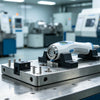
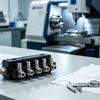
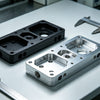
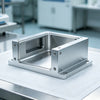
CNC (Computer Numerical Control) machining is an automated manufacturing process where pre-programmed computer software dictates the movement of factory tools and machinery. It is a subtractive process, meaning it carves out a desired shape from a solid block of material, such as metal or plastic, to create high-precision parts. This technology enables the consistent and efficient production of complex components that would be difficult or impossible to create manually.
What is CNC Machining?: A Detailed Definition
Computer Numerical Control (CNC) machining is a cornerstone of modern manufacturing, representing a highly automated method for controlling machine tools through a computer. It is a subtractive manufacturing process, which means it selectively removes material from a stock piece (also known as a workpiece or blank) to achieve a final, custom-designed shape. This stands in contrast to additive manufacturing, like 3D printing, which builds objects layer by layer. The precision and repeatability of CNC machining make it indispensable for creating parts with tight tolerances.
The technology is an evolution of the older Numerical Control (NC) systems developed in the 1940s and 50s, which relied on punched tape cards to direct machinery. As described on Wikipedia, the advent of computers replaced these physical media with digital software, making the process faster, more flexible, and far more powerful. Today, CNC programming allows for complex, three-dimensional tasks to be completed in a single set of instructions.
Compared to manual machining, which requires a human operator to physically guide the cutting tools using levers and wheels, CNC machining offers significant advantages. The primary benefits include vastly improved accuracy, greater consistency across thousands of parts, and increased production speed. By removing the potential for human error in the cutting process, CNC ensures that every part is a near-perfect duplicate of the original design.
How the CNC Machining Process Works: From Design to Production
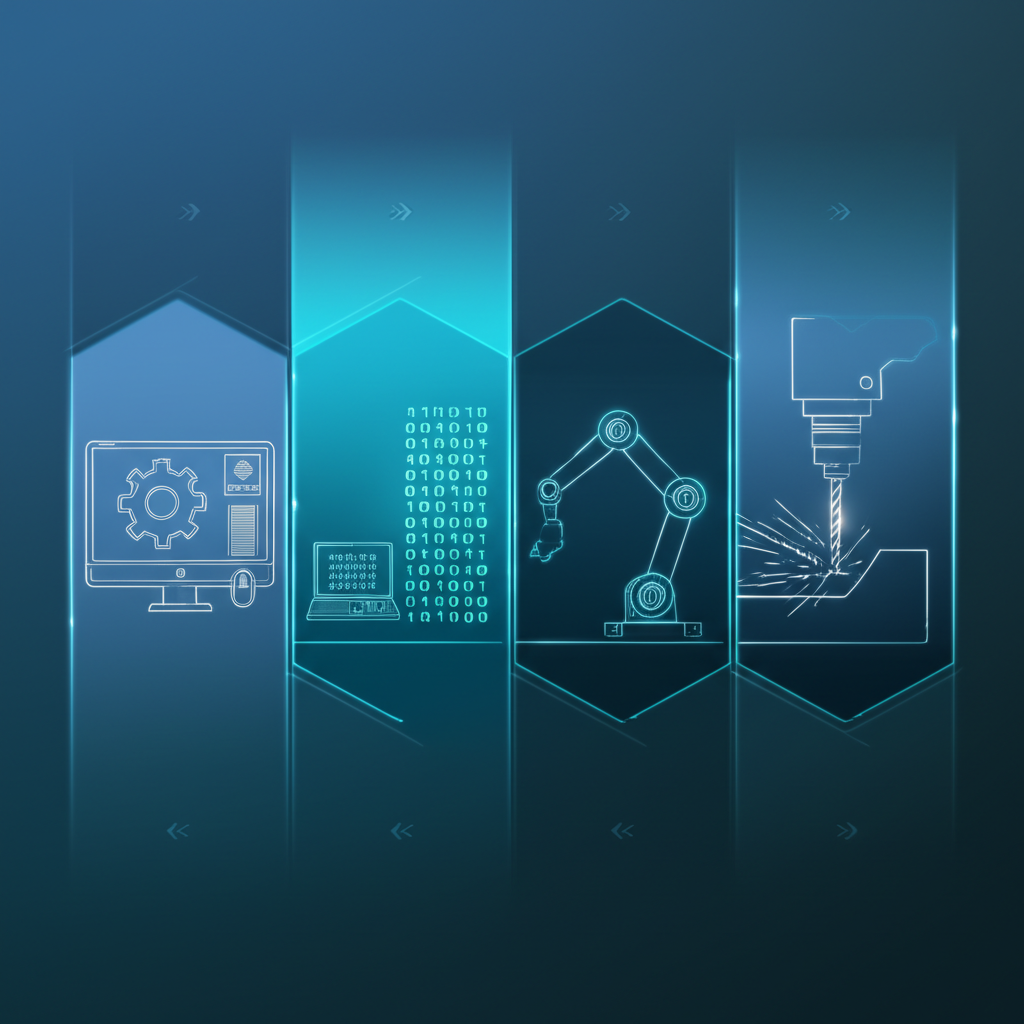
The journey from a digital concept to a physical part involves a precise, multi-stage workflow. While the technology is complex, the process can be broken down into four fundamental steps that transform a design file into a finished component. This systematic approach ensures accuracy and efficiency at every stage of production.
- CAD Model Design: The process begins with the creation of a 2D vector or 3D solid model using Computer-Aided Design (CAD) software. This digital blueprint contains all the technical specifications for the part, including its geometry, dimensions, and material properties. The design is limited only by the capabilities of the specific CNC machine and tooling that will be used.
- G-Code Generation: Once the CAD model is complete, it is exported into a CNC-compatible file format and processed by Computer-Aided Manufacturing (CAM) software. This program translates the model into a set of instructions for the CNC machine, known as G-code. G-code is the primary programming language that dictates the tool's movement, speed, feed rate, and other critical variables. Another code, M-code, controls auxiliary functions like turning coolant on or off.
- Machine Setup: Before the machining can begin, a skilled operator must prepare the CNC machine. This involves securely affixing the workpiece to the machine's table or spindle and attaching the necessary cutting tools (such as drills or end mills) to the machine. As detailed in a comprehensive guide by Thomasnet, the operator must then establish a zero reference point to ensure the machine's movements align perfectly with the coordinates in the G-code program.
- Automated Execution: With the program loaded and the machine prepared, the operator initiates the sequence. The CNC machine then executes the G-code instructions automatically, moving the cutting tools with extreme precision to remove material from the workpiece. The machine follows the programmed paths until the final part is complete, often without further human intervention.
Exploring the Different Types of CNC Machines
The term "CNC machine" covers a wide array of equipment, each designed for specific functions and materials. This versatility allows manufacturers to select the ideal tool for any given job, from cutting metal to shaping wood. Understanding the different machine types reveals the breadth of what CNC technology can accomplish.
Here are some of the most common types of CNC machines used in modern industry, as outlined in a guide by the Universal Technical Institute:
- CNC Mills: Milling machines are among the most common CNC tools. They use rotating cutting tools to remove material from a stationary workpiece. Mills can operate on multiple axes (typically from 3 to 6), allowing for the creation of highly complex shapes, slots, and holes.
- CNC Lathes: In contrast to mills, lathes rotate the workpiece at high speed while a stationary cutting tool removes material from its circumference. This process, known as turning, is ideal for creating cylindrical or conical parts like shafts, spheres, and custom fasteners with exceptional precision.
- CNC Routers: CNC routers are similar to mills but are typically used for cutting softer materials like wood, plastic, foam, and composites. They are essential in industries like woodworking for creating intricate carvings, cabinetry, and signage.
- Plasma and Laser Cutters: These machines use a high-temperature plasma torch or a focused laser beam to cut through materials. CNC plasma cutters are often used for thick metals like steel, while CNC laser cutters offer extremely high precision for cutting or engraving a wide range of materials, including metal, plastic, and wood.
- Electric Discharge Machines (EDM): EDM, or spark machining, uses electrical sparks to shape a workpiece. It is an ideal process for working with very hard metals or creating complex shapes that would be difficult to achieve with traditional cutting tools, such as internal corners or intricate cavities.
Key Applications: Where is CNC Machining Used?
Due to its precision, efficiency, and versatility, CNC machining is a vital process across nearly every major industry. Its ability to produce durable, high-tolerance parts makes it essential for applications where failure is not an option. From everyday consumer products to critical components in advanced technology, the impact of CNC machining is widespread.
Many sectors rely on CNC machining for both prototyping and full-scale production. For industries requiring extremely tight tolerances and rapid production, specialized services are often used. For example, companies like XTJ offer advanced 4 and 5-axis CNC machining for sectors from aerospace to medical, handling a wide range of materials with high precision. Key industries that depend on this technology include:
- Aerospace: This industry demands parts with the highest possible precision and durability. CNC machines are used to create components like engine parts, landing gear, and structural elements from high-strength alloys.
- Automotive: From engine blocks and transmission components to custom prototypes for new vehicle designs, the automotive industry uses CNC machining for both metal and plastic parts.
- Medical: CNC technology is crucial for producing custom surgical instruments, orthopedic implants (like knee and hip replacements), and high-precision components for medical devices like MRI machines.
- Electronics: The electronics industry uses CNC machining to create parts like heatsinks, connectors, and enclosures for everything from smartphones to large-scale data servers.
- Energy: In the oil and gas sector, CNC machines produce durable components like pistons, cylinders, and valves that must withstand extreme pressure and harsh environments.
The Future of Precision Manufacturing
CNC machining remains a foundational technology in the manufacturing world, continually evolving to offer greater precision and efficiency. The core principles of computer-controlled, subtractive manufacturing provide a reliable and powerful method for producing high-quality parts. As the technology advances, its capabilities expand, pushing the boundaries of what is possible in engineering and design.
One of the most exciting trends is the integration of CNC machining with additive manufacturing. This hybrid approach combines the strengths of both processes—the ability of 3D printing to create complex internal geometries and the power of CNC to achieve superior surface finishes and tight tolerances. This synergy is paving the way for a new generation of components that are lighter, stronger, and more complex than ever before, ensuring that CNC technology will remain at the forefront of innovation for years to come.
Frequently Asked Questions About CNC Machining
1. Is CNC machining a hard job?
Learning CNC machining can be challenging, but it is an achievable skill. While mastering the entire process, from design to programming and operation, can take years of dedicated work, creating basic parts can often be learned through tutorials in a relatively short time. The job requires a blend of technical knowledge, attention to detail, and problem-solving skills.
2. Do CNC machinists make a lot of money?
Salaries for CNC machinists can vary based on experience, skill level, and location. In the United States, entry-level positions may start around $39,000 per year, with the average salary being approximately $47,000 annually. Highly experienced machinists, especially those with skills in programming and operating complex multi-axis machines, can earn upwards of $58,500 per year.
3. What is a CNC engineer's salary?
A CNC engineer's salary also varies by location and experience. As an example, in the United Kingdom, the average base salary for a CNC engineer typically falls within the range of £25,000 to £35,000 per year. Engineers with specialized skills or extensive experience in high-demand industries may command higher salaries.
-
Posted in
computer numerical control, manufacturing, precision engineering, subtractive manufacturing