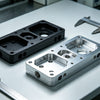
Bead Blasting vs Sandblasting: Choosing the Right Finish
TL;DR
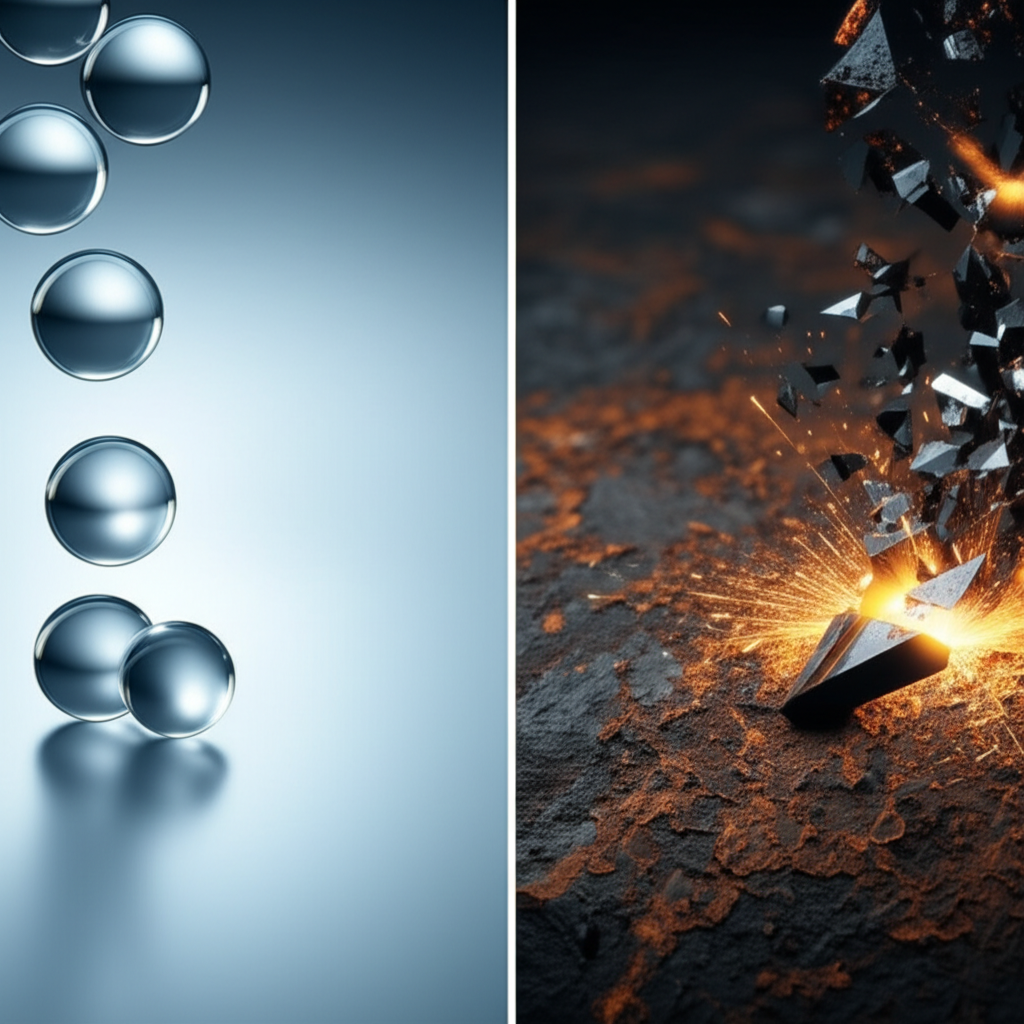
The primary difference between bead blasting and sandblasting finishes lies in their aggressiveness and final appearance. Bead blasting is a gentle process that uses fine glass beads to produce a smooth, uniform satin finish, making it ideal for cleaning, polishing, and finishing delicate parts. In contrast, sandblasting is a much more aggressive method that uses sharp media to strip heavy rust or paint and create a rough surface profile suitable for coating adhesion.
The Core Difference: A Head-to-Head Comparison
Understanding the fundamental distinctions between bead blasting and sandblasting is crucial for selecting the right surface treatment for your project. While both are forms of abrasive blasting, their methods, media, and outcomes are significantly different. The choice between them often comes down to a trade-off between gentle precision and aggressive power.
The most critical factors that separate these two processes are the abrasive media used, the intensity of the application, and the resulting surface finish. Bead blasting relies on spherical, smooth media, typically glass beads, which peen the surface. This action creates a consistent, dimpled texture that reflects light for a bright, satin look without removing significant amounts of the base material. Sandblasting, however, uses angular, sharp media like silica sand, aluminum oxide, or steel grit. These sharp particles cut into the surface, etching it to remove contaminants and create a rough profile, which is excellent for paint and coating adhesion but can damage delicate substrates.
Here is a direct comparison of their key attributes:
| Attribute | Bead Blasting | Sandblasting |
|---|---|---|
| Abrasive Media | Spherical glass beads. | Angular media like sand, aluminum oxide, steel grit. |
| Aggressiveness | Low; gentle cleaning and polishing action (peening). | High; aggressive material removal and surface profiling (etching). |
| Resulting Finish | Smooth, bright, uniform satin or matte finish. | Rough, coarse, non-reflective matte finish. |
| Material Removal | Minimal to none; preserves substrate integrity. | Significant; can alter dimensions and tolerances. |
Ultimately, bead blasting is a finishing process designed for cosmetic appearance and light cleaning, while sandblasting is a surface preparation method valued for its stripping and profiling capabilities. As detailed by experts at HLH Rapid, the choice depends entirely on the desired outcome and the nature of the material being treated.
Ideal Applications for Bead Blasting
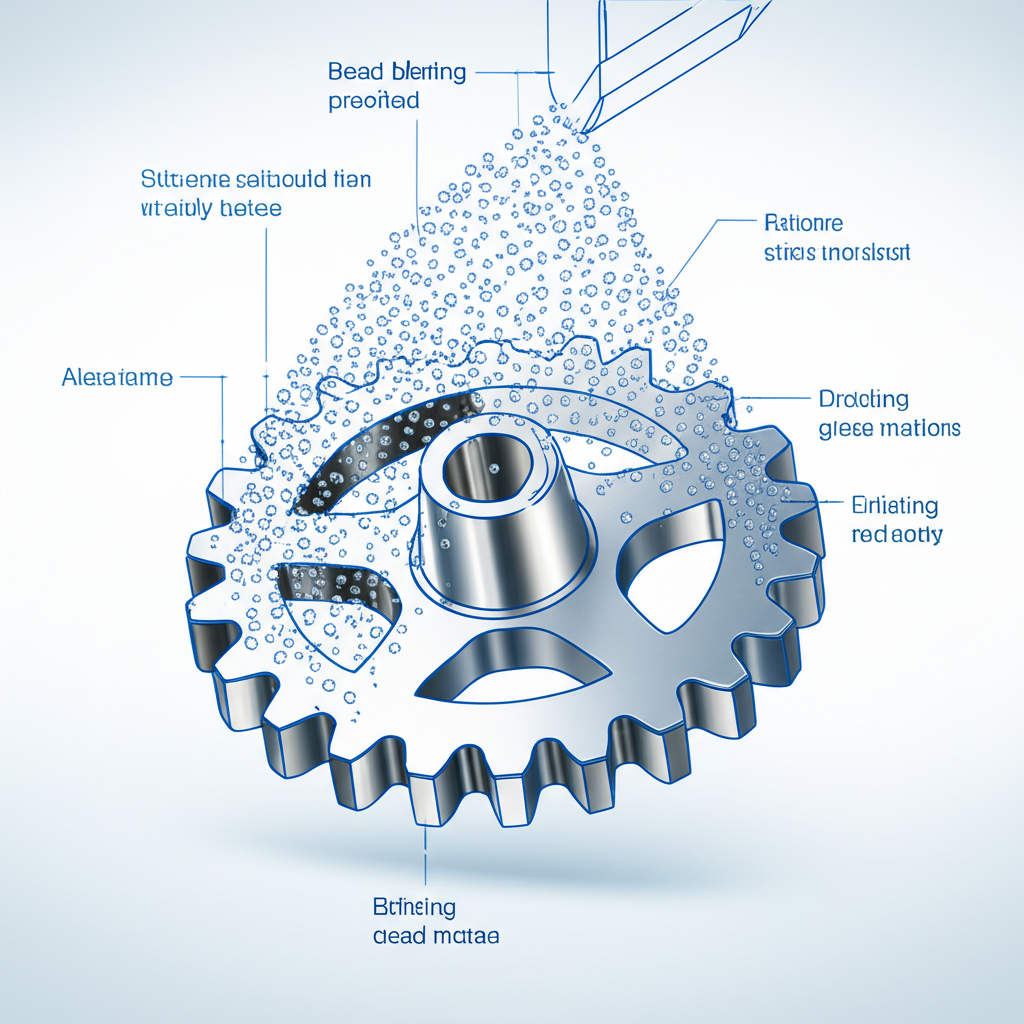
Bead blasting's gentle nature makes it the superior choice for applications where preserving the underlying material and achieving a high-quality cosmetic finish are top priorities. Because it uses round glass beads at lower pressures, it cleans and deburrs surfaces without causing damage or changing critical dimensions. This makes it particularly suitable for delicate components, softer metals, and precision parts where aggressive methods would be destructive.
The process is highly effective at removing surface contaminants like light rust, scale, and old coatings while imparting a clean, uniform finish. This consistency is why bead blasting is often used to hide tool marks on machined parts, creating a homogenous satin or matte appearance. The peening action of the glass beads creates a uniform, non-directional finish that can hide imperfections. According to Xometry, this makes it a versatile option for both aesthetic improvement and functional enhancement.
Common use cases for bead blasting include:
- Precision Cleaning: Safely cleaning automotive parts, aerospace components, and medical implants without altering their geometry.
- Surface Polishing: Creating a bright, satin, or matte finish on materials like aluminum, stainless steel, and titanium.
- Deburring and Deflashing: Removing small burrs and flashing from machined or molded parts without damaging the surface.
- Cosmetic Finishing: Achieving a uniform, non-directional finish that hides imperfections and provides a clean, professional look.
When to Choose Aggressive Sandblasting
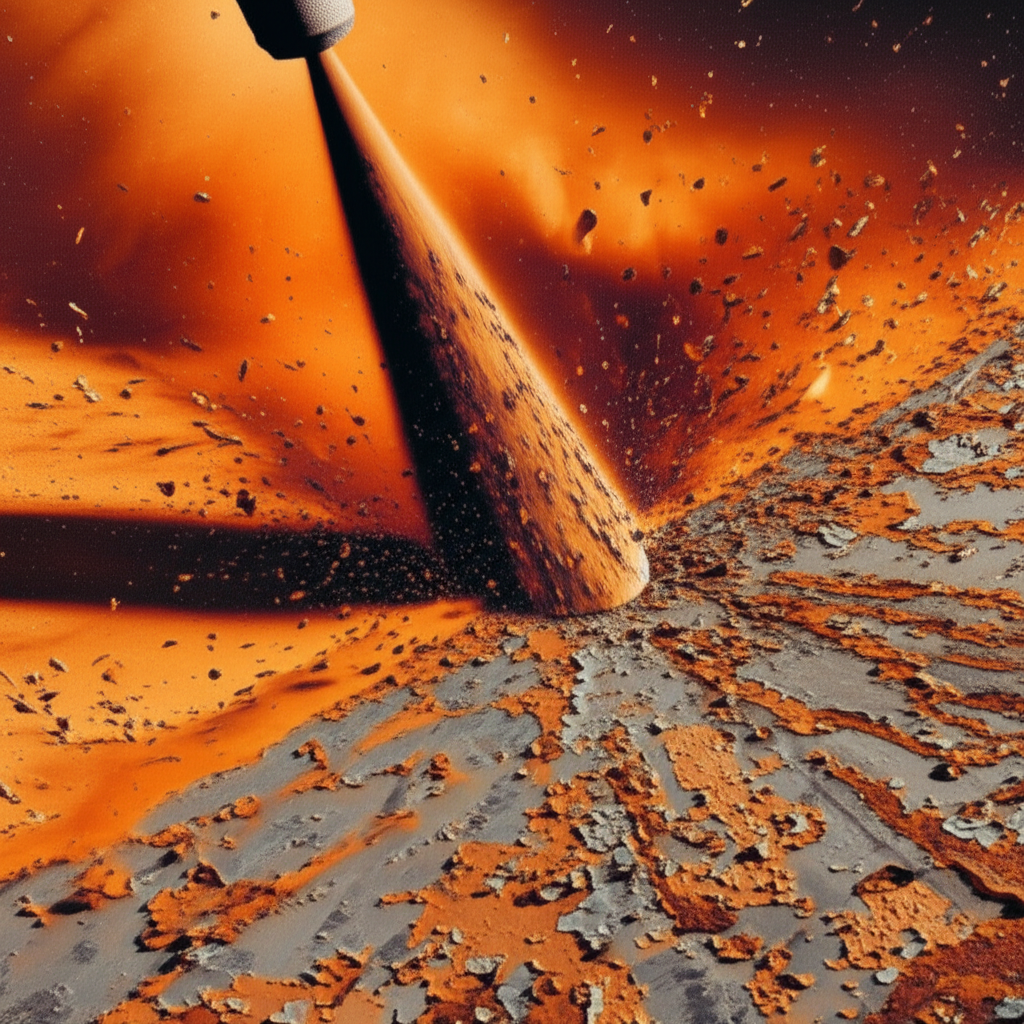
Sandblasting is the go-to method when aggressive surface treatment is necessary. Its power lies in its ability to quickly strip away stubborn contaminants and reshape a surface profile. Using sharp, angular abrasives at high pressure, sandblasting acts like high-speed sandpaper, cutting through thick layers of paint, heavy rust, and corrosion that gentler methods cannot handle. This makes it an indispensable tool in heavy industry, restoration, and construction.
The primary goal of sandblasting is often not cosmetic but preparatory. By creating a coarse, etched surface—also known as an 'anchor profile'—it dramatically increases the surface area for coatings, paints, and bonding agents to adhere to. This ensures a stronger, more durable bond and extends the life of the protective coating. As noted by RIE Coatings, this process is essential for preparing metal for welding or applying robust coating systems.
Choose sandblasting for projects that involve:
- Heavy Rust and Scale Removal: Restoring heavily corroded steel structures, marine equipment, and industrial machinery.
- Paint and Coating Stripping: Quickly removing multiple layers of old paint from vehicles, buildings, or equipment.
- Surface Preparation for Coatings: Creating an anchor profile on hard metals before applying powder coating, epoxy, or industrial paints.
- Cleaning Concrete and Masonry: Removing grime, graffiti, and old sealants from hard surfaces.
Making the Right Choice for Your Project
Selecting between bead blasting and sandblasting requires a clear understanding of your project's goals. The decision hinges on three key factors: the material you are working with, the desired final finish, and the primary objective of the treatment. Answering these questions will guide you to the most effective and appropriate method, preventing costly damage and ensuring the desired outcome.
First, consider your material. Is it a soft metal like aluminum or a delicate, precision-machined part? If so, the gentle action of bead blasting is necessary to avoid surface damage. For hard, durable materials like thick steel or cast iron, the aggressive force of sandblasting is more suitable. Second, define your desired finish. If you need a smooth, bright, and aesthetically pleasing satin look, bead blasting is the clear winner. If the part needs a rough, matte profile to ensure a strong coating adhesion, sandblasting is required. Finally, what is your primary goal? For light cleaning, deburring, or cosmetic enhancement, choose bead blasting. For heavy stripping, rust removal, or aggressive surface profiling, sandblasting is the only viable option. For projects involving high-precision custom parts where the right finish is critical, partnering with a specialized manufacturer is key. For example, services like XTJ provide advanced CNC machining and can help ensure components meet demanding specifications, which often includes selecting the correct post-processing finish.
In short, the choice is one of finesse versus force. Bead blasting offers a controlled, cosmetic touch, while sandblasting provides the raw power needed for heavy-duty preparation. By evaluating your project against these criteria, you can confidently choose the method that will deliver the best results.
Frequently Asked Questions
1. Is bead blasting better than sandblasting?
Neither method is inherently 'better'; they are designed for different purposes. Bead blasting is better for creating a smooth, cosmetic finish on delicate parts without removing material. Sandblasting is better for aggressive tasks like stripping heavy rust or paint and preparing a rough surface for coating. The best choice depends entirely on the material and the desired outcome of your project.
2. Will bead blasting remove rust?
Bead blasting can effectively remove light surface rust and oxidation without damaging the underlying metal. However, for heavy, pitted rust or thick scale, the more aggressive action of sandblasting is required to strip the corrosion away completely and prepare the surface for recoating.
3. What are the benefits of bead blasting?
The main benefits of bead blasting include its gentle action, which prevents damage to parts and preserves critical dimensions. It produces a uniform, clean, and aesthetically pleasing satin or matte finish. The process is also safer from a health perspective, as glass beads are lead-free and do not produce silica dust, a known hazard associated with traditional sandblasting.