CNC Electronics Enclosures: A Practical Buyer's Guide
TL;DR
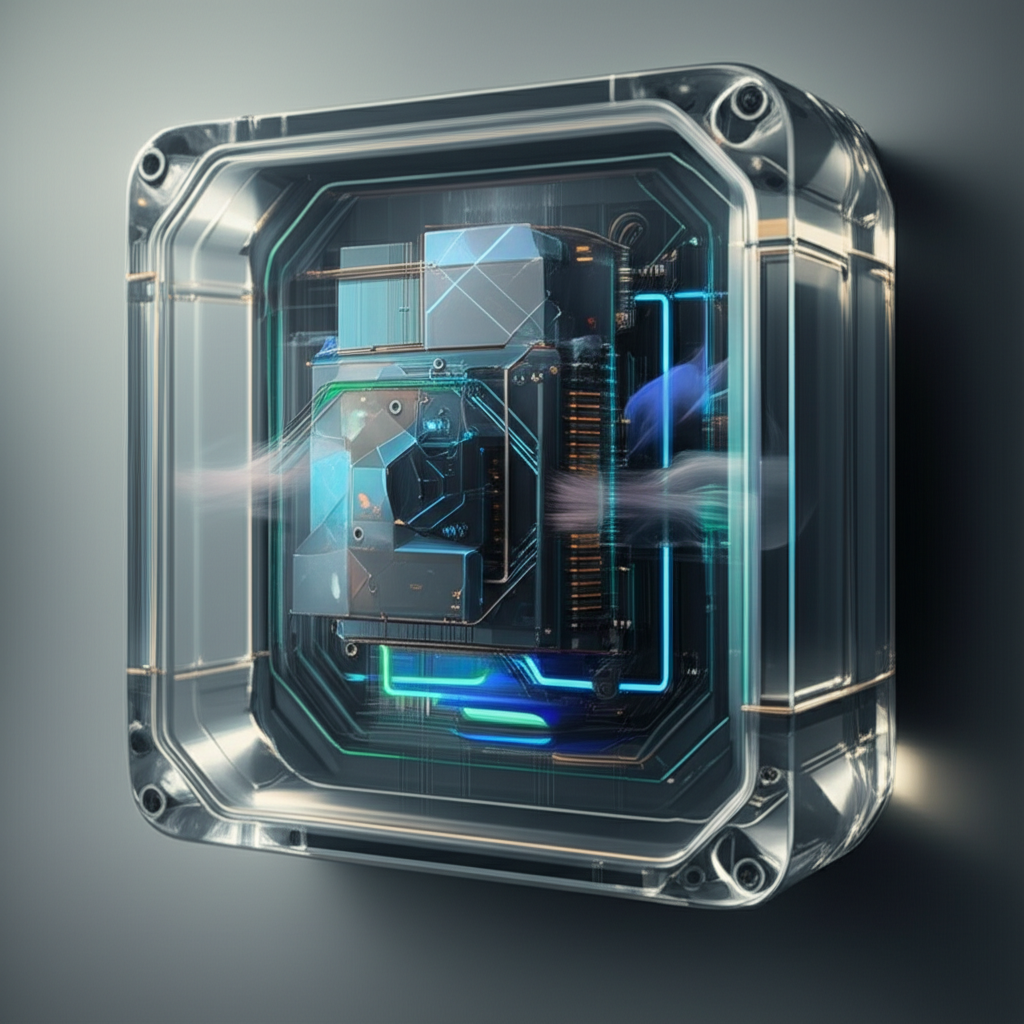
A CNC electronics enclosure is essential for protecting your machine's sensitive components from dust, debris, and electrical interference. The right enclosure ensures reliability and safety. Your main options include purchasing a general-purpose project box for a DIY setup, buying a purpose-built kit, or ordering a fully custom-made solution. Key factors to consider are material (metal or plastic), size, component layout, and adequate cooling to prevent overheating.
Choosing Your Path: DIY vs. Kit vs. Custom Enclosures
Selecting the right housing for your CNC electronics is one of the first major decisions you'll make. This choice impacts your budget, build time, and the final look and functionality of your system. There are three primary routes: building it yourself (DIY), assembling a pre-designed kit, or commissioning a custom-built solution. Each path offers distinct advantages and disadvantages tailored to different skill levels and project requirements.
DIY with Off-the-Shelf Boxes
The DIY approach involves purchasing a general-purpose project box and modifying it to fit your specific components. This is a popular option for hobbyists who enjoy hands-on work and want maximum control over the layout. Companies like Polycase offer a wide variety of project boxes in materials like ABS plastic and aluminum, which serve as an excellent starting point. This method allows you to create a completely unique setup tailored to your exact needs.
- Pros: Highly customizable, potentially the most cost-effective option, and offers a great learning experience.
- Cons: Requires significant planning, time, and the right tools for cutting and drilling. The final quality depends heavily on your skill level.
Pre-Designed Enclosure Kits
For those who prefer a more streamlined process, an enclosure kit is an excellent middle ground. These kits provide all the necessary panels, hardware, and often include pre-drilled holes for specific components like power switches, fans, and connectors. The Rat Rig Compact CNC Electronics Enclosure Kit is a prime example, designed to house a specific set of electronics with features like an integrated cooling fan and IEC socket. This approach removes the guesswork from the equation, ensuring a clean and functional result.
- Pros: Convenient and much faster than a full DIY build. Designs are tested and proven to work, resulting in a professional finish.
- Cons: Less flexibility for customization. You are generally limited to the components the kit was designed for.
Fully Custom-Built Solutions
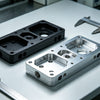
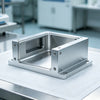
When a project demands a perfect fit, specific materials, or a highly professional appearance, a custom-manufactured enclosure is the ultimate solution. Services like those from Protocase can build enclosures to your exact specifications in just a few days. You can define every aspect, from the dimensions and material to cutouts, finishes, and printed graphics. This is the best choice for commercial applications, high-end builds, or complex systems where an off-the-shelf solution won't suffice. For those who need high-precision custom parts or panels for their builds, services like XTJ deliver rapid CNC machining for various materials, ensuring components meet demanding specifications.
- Pros: Perfect fit and finish tailored to your exact needs. Professional, high-quality result with no compromises.
- Cons: The most expensive option. Requires a detailed design or CAD file to submit for manufacturing.
Key Design and Material Considerations
Regardless of which path you choose, several fundamental design principles will determine the success of your CNC electronics enclosure. Proper planning around materials, layout, and cooling will protect your investment and ensure your machine runs reliably for years to come. Overlooking these details can lead to issues like overheating, electrical noise, and premature component failure.
Material Selection: Metal vs. Plastic
The material of your enclosure is more than just an aesthetic choice; it affects durability, cost, and electrical performance. Plastic (typically ABS) is lightweight, easy to machine, and cost-effective. However, it offers no inherent electrical shielding. Metal enclosures, usually aluminum or steel, provide excellent durability and EMI/RFI shielding, which helps protect sensitive control signals from electrical noise generated by stepper motors and spindles.
| Feature | Plastic (ABS) | Metal (Aluminum/Steel) |
|---|---|---|
| Durability | Good | Excellent |
| Cost | Low | Moderate to High |
| Ease of Modification | Easy | More Difficult |
| EMI/RFI Shielding | None (requires coating) | Excellent |
Planning for Size and Layout
Careful layout planning is critical for both functionality and safety. A common best practice is to physically separate high-voltage components, like power supplies, from low-voltage logic boards (e.g., the controller) to minimize electrical interference. Ensure you leave adequate space around components for airflow and cable routing. A well-organized layout with clean cable management not only looks professional but also makes troubleshooting much easier. Using features like DIN rails can help create a tidy, modular arrangement.
Critical Cooling and Ventilation
CNC electronics, especially stepper motor drivers and power supplies, generate a significant amount of heat. Without proper cooling, components can overheat, leading to poor performance or permanent damage. At a minimum, your enclosure should have ventilation holes to allow for passive airflow. For most setups, an active cooling solution, such as an intake fan that pushes cool air into the enclosure and an exhaust vent, is highly recommended. Positioning the fan to blow air across the heatsinks of your motor drivers will be most effective.
Inspiration Gallery: Enclosure Layouts and Ideas
Seeing how others have tackled their enclosures can provide a wealth of inspiration. As highlighted in resources like CNC Cookbook's gallery of ideas, there are many effective ways to organize your components. Here are a few popular layout concepts to consider for your own build.
The All-in-One Compact Box
This approach places all components—power supply, controller, and motor drivers—into a single, tidy enclosure. It is an excellent choice for smaller hobby machines where space is at a premium. The key to a successful compact build is meticulous planning for airflow and cable management to prevent heat buildup and signal interference. Using standoffs to mount PCBs and bundling wires neatly are essential for this design.
The Modular Power/Logic Split
To combat electrical noise, many builders opt for a modular design. This typically involves using two separate enclosures: one for the "dirty" high-voltage components like the power supply and VFD, and another for the "clean" low-voltage logic like the motion controller and breakout board. This physical separation is one of the most effective ways to ensure clean, reliable signals for precise machine control.
The Professional Rack-Mount Setup
For more advanced or larger-scale CNC systems, a rack-mount enclosure offers a robust and scalable solution. Components are mounted into a standard 19-inch server rack, which provides excellent organization, cooling, and accessibility. This professional approach allows for easy expansion and maintenance, making it a popular choice in commercial or workshop environments where multiple systems might be in use.
Frequently Asked Questions
1. Do I really need an enclosure for my CNC electronics?
Yes, an enclosure is highly recommended. It serves multiple critical functions: it protects sensitive electronics from conductive dust (like metal shavings) and debris, prevents accidental contact with high-voltage components, and helps manage electrical noise, which can interfere with your machine's operation.
2. What is the best material for a CNC enclosure?
It depends on your needs and budget. Aluminum is often considered the best all-around choice because it's durable, relatively easy to work with, and provides excellent electrical shielding. However, ABS plastic is a more budget-friendly option that is very easy to modify, though it lacks inherent shielding.
3. How can I prevent electrical noise in my enclosure?
The best strategies include using a metal enclosure for shielding, physically separating high-voltage power supplies from low-voltage control boards, using shielded cables for your motors and limit switches, and ensuring all components are properly grounded to a single, common point.