How to Select the Right CNC Plastic Material for a Project

TL;DR
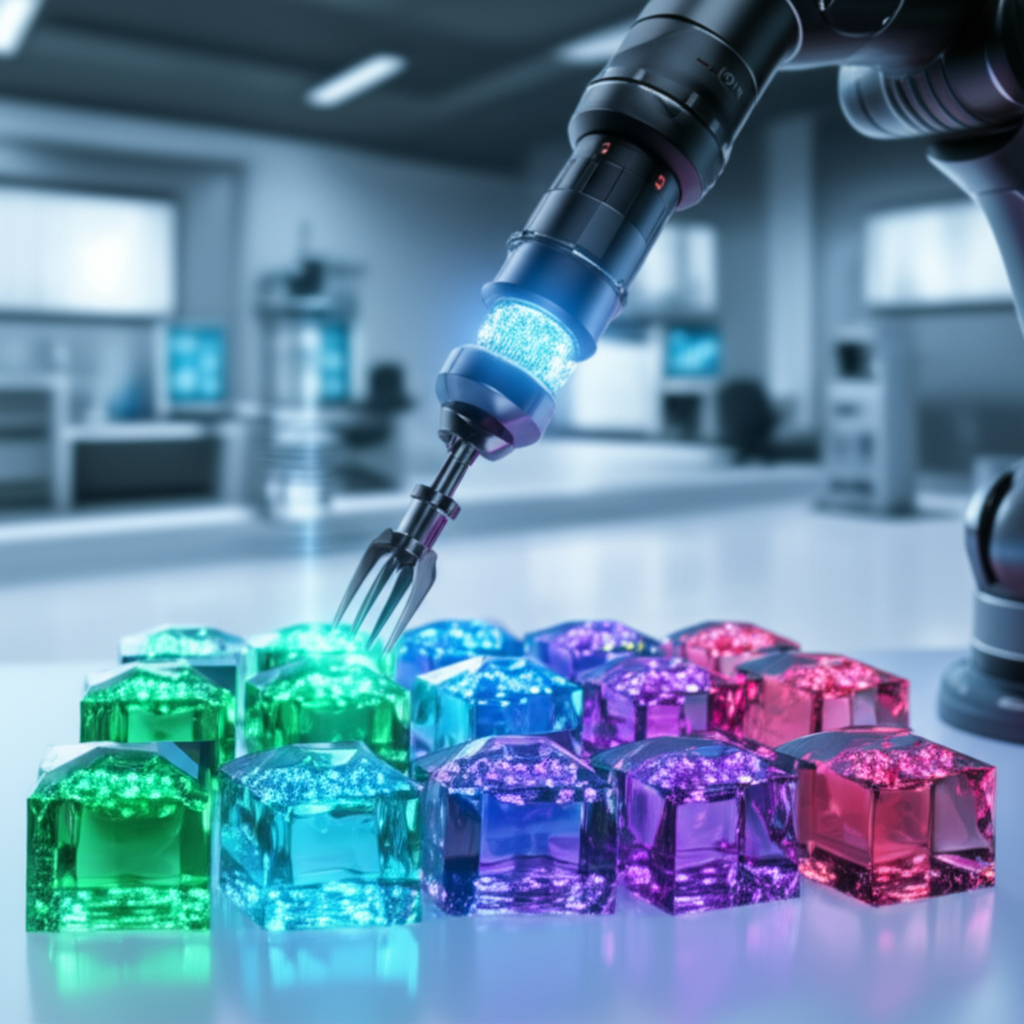
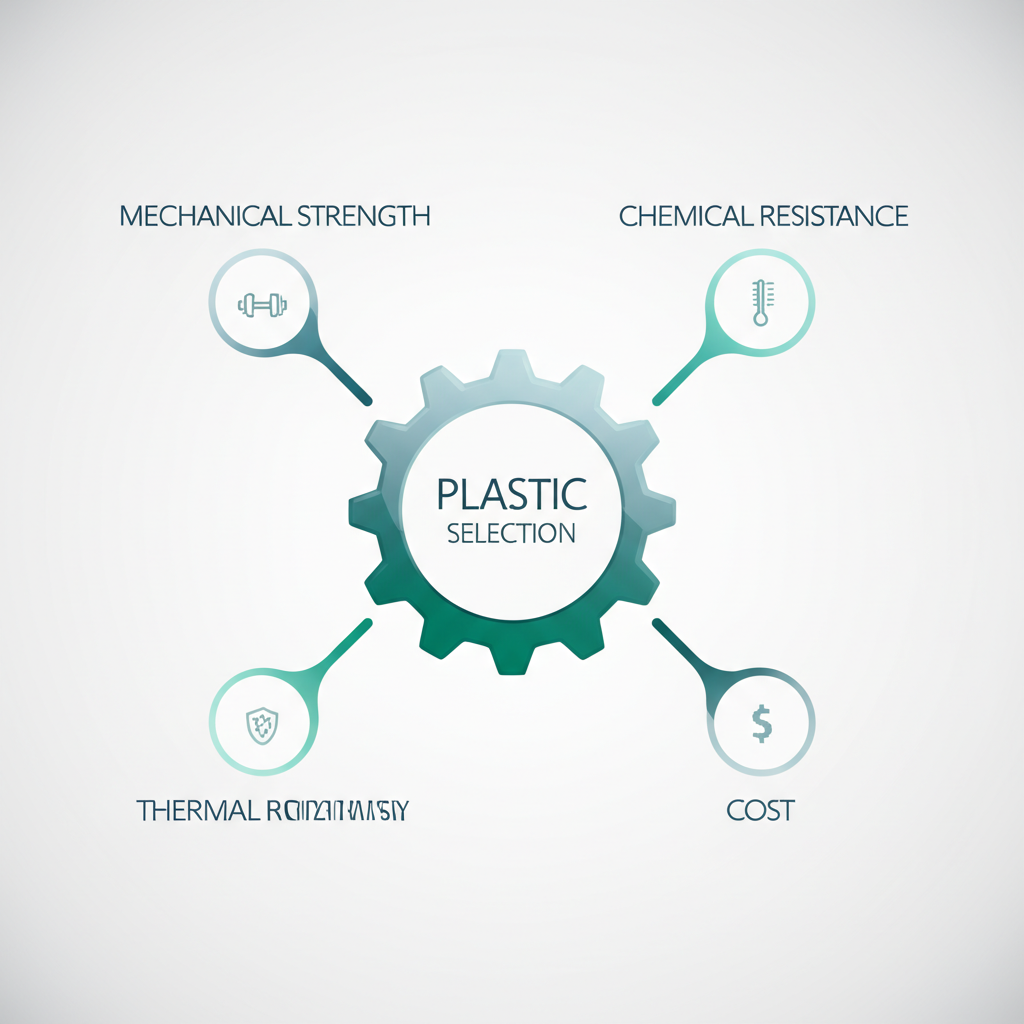
Choosing the right CNC plastic material hinges on your specific application's demands. The selection process requires balancing key factors like mechanical properties (strength and durability), thermal stability, chemical resistance, and overall cost. By carefully evaluating these criteria against the functional needs of your part, you can select an optimal material like ABS for prototypes, PEEK for high-temperature environments, or Delrin for low-friction mechanical parts.
Key Factors for Selecting a CNC Plastic
Selecting the ideal plastic for CNC machining is a systematic process, not a matter of guesswork. A material that excels in one application may fail in another. To make an informed decision, engineers and designers must evaluate several critical factors that directly impact the performance, longevity, and cost-effectiveness of the final part. Understanding these properties provides a logical framework for narrowing down the vast field of options to the one that best suits your project.
Mechanical Properties
The mechanical strength of a plastic determines its ability to withstand physical stress without breaking or deforming. This is not a single value but a collection of attributes. Key properties to consider include:
- Tensile Strength: The material's resistance to being pulled apart. High-strength plastics like PEEK or Nylon are essential for load-bearing components.
- Impact Strength: The ability to resist sudden shocks or impacts. Polycarbonate (PC) is renowned for its exceptional toughness, making it suitable for protective guards and safety equipment.
- Hardness & Wear Resistance: This measures a material's resistance to scratching, abrasion, and friction. Materials like Delrin (Acetal) and PTFE have a low coefficient of friction, making them ideal for gears, bearings, and sliding components.
Thermal Properties
Plastics behave differently under varying temperatures. A material's thermal resistance is critical for parts that will operate in or near heat sources. According to Plastic Machining Inc., choosing a plastic based on the expected temperature prevents warping or failure. For example, PEEK can withstand continuous service temperatures up to 260°C (500°F), making it a top choice for aerospace and automotive applications. In contrast, a general-purpose plastic like ABS has a much lower heat tolerance and is better suited for room-temperature environments.
Chemical Resistance
If your component will be exposed to solvents, acids, bases, or other chemicals, its chemical resistance is non-negotiable. Some plastics can degrade, swell, or dissolve when they come into contact with aggressive agents. PTFE (Teflon) is famous for its chemical inertness, making it suitable for seals, gaskets, and laboratory equipment. Similarly, HDPE offers excellent resistance to a wide range of chemicals, which is why it's often used for fluid tanks and pipes. Always cross-reference your application's chemical environment with the material's resistance chart.
Machinability and Dimensional Stability
Machinability refers to how easily and cleanly a material can be cut, drilled, and milled. Some plastics, like Delrin (Acetal), are prized for their excellent machinability, allowing for the creation of precise parts with tight tolerances and a smooth surface finish. Conversely, softer plastics can be prone to melting or creating poor chips, while very abrasive materials like glass-filled composites can cause rapid tool wear. Dimensional stability—a material's ability to maintain its original size and shape despite changes in temperature or humidity—is equally important. Nylon, for instance, is strong but can absorb moisture and swell, which must be accounted for in high-precision applications.
An Overview of Common CNC Machinable Plastics
Once you understand the key decision factors, the next step is to familiarize yourself with the most common plastics used in CNC machining. Each material offers a unique profile of properties, costs, and applications. While some are versatile workhorses, others are specialists designed for extreme conditions. The following table and descriptions provide a comparative overview to guide your selection.
| Material | Key Characteristics | Common Applications | Cost |
|---|---|---|---|
| ABS | Good impact strength, low cost, easy to finish | Prototypes, electronic enclosures, consumer goods | Low |
| Nylon (PA) | High strength, good wear and chemical resistance | Gears, bearings, medical devices, insulators | Medium |
| Polycarbonate (PC) | Exceptional impact strength, transparent, temperature resistant | Safety guards, optical lenses, bulletproof glass | Medium |
| Delrin® (Acetal/POM) | High stiffness, low friction, excellent dimensional stability | Precision gears, bushings, fasteners, jigs | Medium |
| PEEK | Very high strength, excellent thermal and chemical resistance | Aerospace parts, medical implants, semiconductor components | High |
| PTFE (Teflon®) | Extremely low friction, wide temperature range, chemical inertness | Seals, gaskets, non-stick coatings, electrical insulators | High |
| Acrylic (PMMA) | Optically clear, scratch-resistant, rigid | Light pipes, lenses, display cases, glass substitute | Low-Medium |
| HDPE | Lightweight, excellent chemical resistance, low friction | Fluid tanks, pipes, plugs, seals, cutting boards | Low |
General-Purpose and Prototyping Plastics
ABS (Acrylonitrile Butadiene Styrene) is a go-to material for general-purpose prototyping and non-load-bearing end-use parts. As noted by Fictiv, it offers a great balance of toughness and low cost. It's easily machined and can be finished with paint or glue, making it ideal for aesthetic models and electronic enclosures. However, it has poor resistance to UV light and certain chemicals. Acrylic (PMMA) is another popular choice, valued for its optical clarity and scratch resistance. It serves as a lightweight and shatter-resistant alternative to glass, often used for light pipes and display components. Its primary drawback is its brittleness; it tends to crack or shatter under high impact rather than bend.
Engineering and Mechanical Plastics
Nylon (PA) is a versatile engineering plastic known for its strength, durability, and excellent wear resistance. It's often used as an economical replacement for metal in applications like gears, bearings, and structural components. Its main limitation is its tendency to absorb moisture, which can affect its dimensional stability. Delrin® (Acetal/POM) is a premier material for high-performance mechanical parts. It boasts high stiffness, exceptional dimensional stability, and a naturally slippery surface, making it perfect for precision parts that experience a lot of friction. Polycarbonate (PC) is the champion of impact resistance. It is incredibly durable and maintains its properties over a wide temperature range, making it ideal for safety glasses, machine guards, and other protective applications.
High-Performance Plastics
When conditions are extreme, high-performance plastics are required. PEEK (Polyether Ether Ketone) stands at the top of this category. It offers a rare combination of extreme strength, high-temperature performance, chemical inertness, and wear resistance. Its high cost reserves it for demanding applications in the aerospace, medical, and semiconductor industries. PTFE (Polytetrafluoroethylene), widely known as Teflon®, has one of the lowest coefficients of friction of any solid material. This property, combined with its excellent chemical resistance and broad temperature tolerance, makes it indispensable for high-performance seals, gaskets, and low-friction bearings.
Matching the Right Plastic to Your Application
Theory is useful, but practical application is what matters. Connecting material properties to real-world scenarios is the final step in the selection process. By categorizing your project's needs, you can quickly identify the most suitable candidates and make a confident choice that ensures performance and reliability.
For Prototypes and Aesthetic Models
When the primary goal is to create a visual model or a functional prototype for fit and form testing, cost and ease of machining are top priorities. ABS is an excellent choice here. It is inexpensive, machines easily to a smooth, matte finish, and can be painted or glued to create realistic mock-ups. Its good impact strength also means prototypes can withstand basic handling and testing without failing.
For High-Strength Mechanical Parts
For components that must bear loads, transmit torque, or endure repeated motion, mechanical properties are paramount. Delrin® (Acetal) is a top contender for gears, bushings, and other moving parts due to its low friction, high stiffness, and excellent wear resistance. Nylon is another strong option, offering great durability and toughness, making it suitable for rollers, wear pads, and structural components. For the most demanding applications involving high loads and high temperatures, PEEK provides unparalleled strength and stability, though at a significantly higher cost.
For Transparent or High-Impact Components
When visibility or extreme durability is required, two materials stand out. Polycarbonate (PC) is the definitive choice for applications needing superior impact resistance. Its use in safety glasses, machine guards, and bulletproof glass speaks to its incredible toughness. It is also optically clear, making it perfect for transparent covers and housings. For applications where optical clarity and scratch resistance are more important than impact strength, Acrylic (PMMA) is a cost-effective alternative. It is often used for light pipes, lenses, and aesthetic panels where a glass-like appearance is desired.
For High-Temperature and Chemical-Resistant Parts
In harsh environments, material survival is key. For parts exposed to high temperatures, PEEK is the gold standard, maintaining its mechanical properties well above the point where most other plastics would fail. For applications requiring extreme chemical resistance, PTFE (Teflon®) is nearly unbeatable. Its inertness to most chemicals makes it the perfect material for seals, gaskets, and valve components used in chemical processing and laboratory settings. HDPE also offers broad chemical resistance at a much lower cost, making it suitable for tanks and fluid-handling components in less extreme conditions.
Addressing Key Challenges in Machining Plastics
Machining plastics presents unique challenges compared to working with metals. Their lower melting points and higher rates of thermal expansion require specific techniques to achieve precision and prevent part failure. Understanding and mitigating these issues is crucial for successful outcomes.
Managing Heat Generation
The most significant challenge in machining plastics is managing heat. As noted in multiple engineering guides, plastics have a much lower melting point than metals. Friction from the cutting tool generates heat, and if not properly controlled, this can cause the plastic to melt, gum up the tool, and result in a poor surface finish or even a ruined part. To prevent this, machinists use sharp tools with specific geometries to reduce friction, employ lower spindle speeds and higher feed rates, and often use coolants (like compressed air or specialized fluids) to dissipate heat effectively from the cutting zone.
Ensuring Dimensional Stability and Tolerances
Plastics expand and contract with temperature changes much more than metals do. This high coefficient of thermal expansion can make holding tight tolerances difficult. A part might be perfectly dimensioned while warm from machining but fall out of spec once it cools to room temperature. Furthermore, internal stresses within the plastic stock can be released during machining, causing thin or asymmetrically machined parts to warp. Experienced machinists combat this by using stress-relieved (annealed) materials, taking lighter cuts, and allowing the material to cool and stabilize between roughing and finishing passes.
Navigating these challenges requires expertise and the right equipment. For projects demanding high precision, partnering with a specialized service can be beneficial. For instance, providers for rapid prototyping and volume production can be a valuable resource. Their experience with over 30 materials and advanced 4 and 5-axis machines helps mitigate issues like heat buildup and ensures tolerances as tight as +/- 0.005mm, turning complex designs into high-quality components.
Frequently Asked Questions
1. What plastic is best for CNC machining?
There is no single 'best' plastic, as the ideal choice depends entirely on the application. However, some materials are prized for their excellent machinability. According to Atlas Fibre, plastics like Acetal (Delrin), PEEK, and PVC are considered top choices for milling because they cut cleanly, hold tight tolerances, and offer good dimensional stability. For general ease of machining and cost-effectiveness, ABS and Polycarbonate are also very common.
2. How to choose the right plastic material?
To choose the right plastic, follow a systematic approach. First, define the functional requirements of your part, including its mechanical loads, operating temperature, and any exposure to chemicals. Next, consider factors like machinability, dimensional stability, and budget. Finally, compare the properties of common plastics (like ABS, Nylon, Delrin, and PEEK) against your requirements to find the material that offers the best balance of performance and cost for your specific project.
3. What is the strongest CNC plastic?
While 'strongest' can refer to tensile strength, impact resistance, or durability, PEEK (Polyether Ether Ketone) is widely regarded as one of the highest-performing and strongest machinable plastics available. It offers exceptional tensile strength, stiffness, and resistance to wear, chemicals, and high temperatures, making it a top choice for critical components in demanding industries like aerospace and medicine.
4. What are two major concerns when machining plastic materials?
The two most significant concerns when machining plastics are heat buildup and maintaining tolerances. Because plastics have low melting points, friction from the cutting tool can easily cause the material to melt, leading to a poor surface finish and tool damage. Secondly, their high thermal expansion rate means they can change size during machining, making it challenging to hold tight dimensional tolerances without proper cooling strategies and machining techniques.