Why CNC Machining for Consumer Goods Delivers Excellence
TL;DR
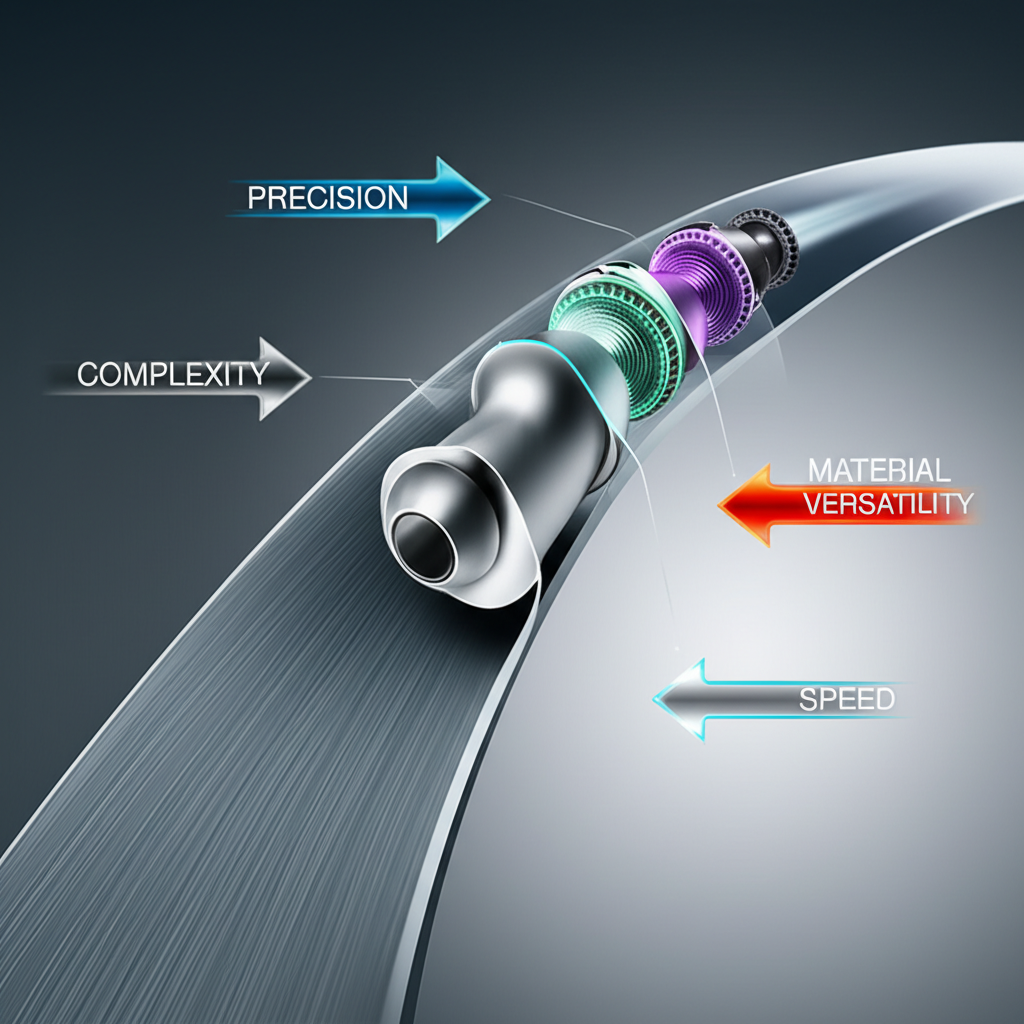
CNC machining is a critical manufacturing process for the consumer goods industry, delivering exceptional precision, versatility, and speed. This technology uses computer-controlled machines to create high-quality, complex parts from a wide range of materials. CNC machining is essential for producing everything from consumer electronics and custom furniture to high-end jewelry and automotive components, enabling businesses to bring innovative products to market efficiently.
The Role of Precision: Why CNC Machining Elevates Consumer Products
In the competitive consumer goods market, product quality, functionality, and aesthetic appeal are paramount. CNC (Computer Numerical Control) machining has become a cornerstone technology for manufacturers by offering a level of precision and consistency that manual processes cannot match. This subtractive manufacturing method, which removes material from a workpiece to create a final part, directly translates to superior products that meet high consumer expectations. The core advantages lie in its ability to execute complex designs flawlessly and repeatedly.
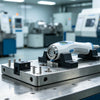
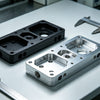
One of the most significant benefits is the unparalleled precision and accuracy it delivers. CNC machines can achieve tolerances within thousandths of an inch, ensuring that every component is produced to exact specifications. This consistency is vital for products with interlocking parts, such as electronic enclosures or mechanical assemblies, where even minor deviations can compromise functionality. As noted by manufacturing experts, this process guarantees that the first part is identical to the last, a critical factor for both low-volume custom runs and large-scale production.
Furthermore, CNC machining provides immense design freedom. The technology can produce complex geometries and intricate details that would be difficult or impossible to create with traditional methods. This capability allows product designers to innovate without being constrained by manufacturing limitations. Whether it’s the sleek, curved housing of a smart device or the detailed components of a luxury watch, CNC machining brings ambitious concepts to life. This flexibility empowers brands to differentiate their products with unique aesthetics and enhanced ergonomic features.
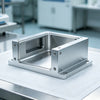
Material versatility is another key advantage. CNC machines are compatible with a vast array of materials, including various metals like aluminum and stainless steel, as well as plastics such as ABS and PEEK. This allows manufacturers to select the optimal material for a product based on requirements for durability, weight, heat resistance, or cosmetic appearance. The ability to achieve a high-quality surface finish directly from the machine also reduces the need for extensive post-processing, saving both time and cost while delivering a premium look and feel.
Key Applications: From Smart Devices to Luxury Goods
The versatility of CNC machining makes it indispensable across numerous sectors within the consumer goods industry. Its ability to handle diverse materials and produce intricate designs allows it to serve both functional and aesthetic purposes in products we use daily. From everyday electronics to exclusive luxury items, CNC machining is the driving force behind quality and innovation.
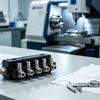
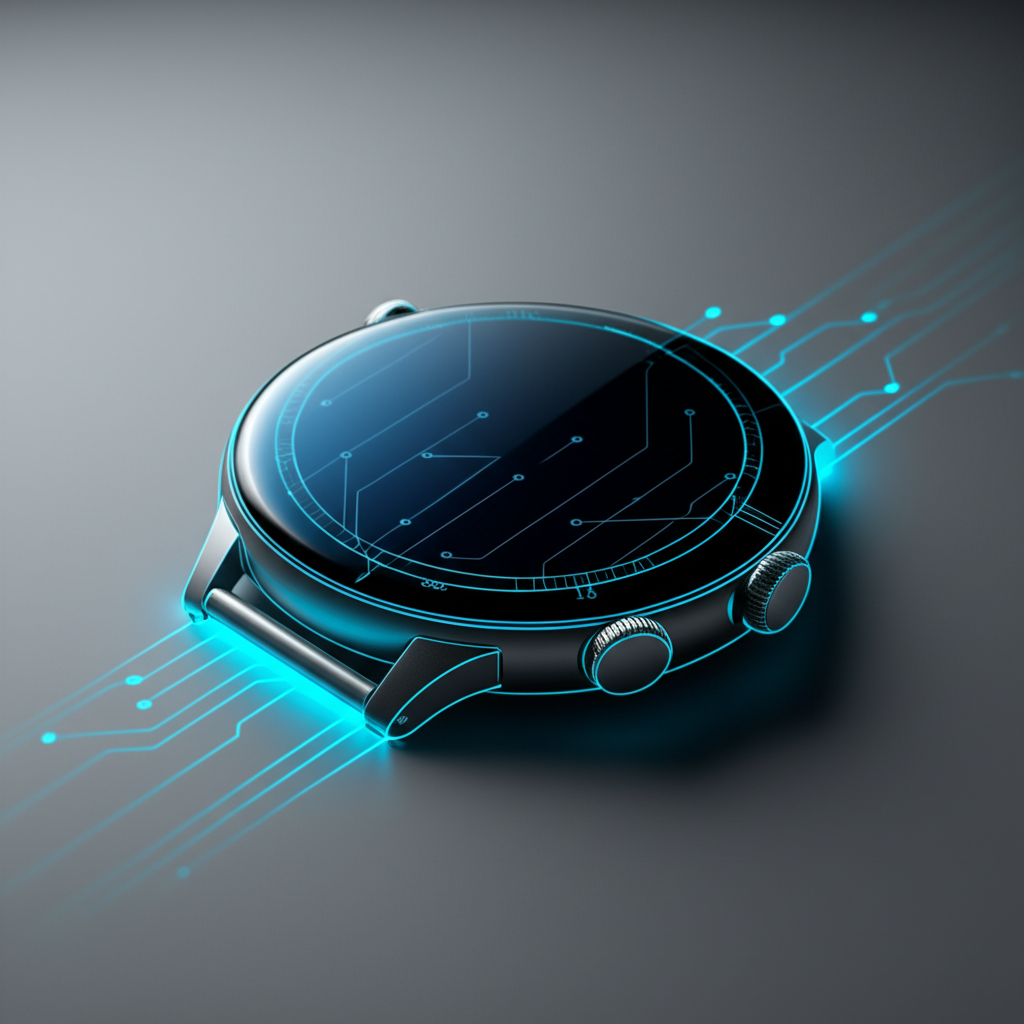
A prominent application is in consumer electronics. Components like the metal housings for smartphones, laptops, and smartwatches are often CNC machined to achieve a perfect fit, seamless functionality, and a premium finish. The process is also used to create heat sinks, connectors, and other internal parts that require high accuracy to function correctly within compact devices. The precision of CNC ensures that these components meet strict tolerances, which is critical for the performance and longevity of the electronics.
In the realm of high-end and luxury goods, CNC machining is essential for achieving the intricate details and flawless surfaces that define premium products. Luxury watches, custom-designed jewelry, and high-end eyewear frequently feature components machined from materials like titanium or stainless steel. This technology enables the creation of unique, one-of-a-kind products that meet the demands of discerning customers. Similarly, it is used to manufacture high-quality parts for sporting equipment, cookware, and custom furniture, where both durability and aesthetics are key selling points.
The automotive sector also relies heavily on CNC machining for consumer-facing products. Aftermarket components, custom vehicle parts, and interior fixtures are often produced using CNC to ensure they meet high standards of quality and safety. Whether it's a custom gear shift knob or a precisely engineered bracket, the technology delivers parts that are both reliable and visually appealing, enhancing the overall user experience.
From Concept to Scale: The CNC Manufacturing Workflow
Bringing a consumer product from an idea to a physical reality involves a structured and precise manufacturing process. CNC machining plays a pivotal role at nearly every stage, from initial validation to full-scale production. Understanding this workflow helps businesses plan effectively and leverage the technology’s full potential to streamline development and meet market demands efficiently.
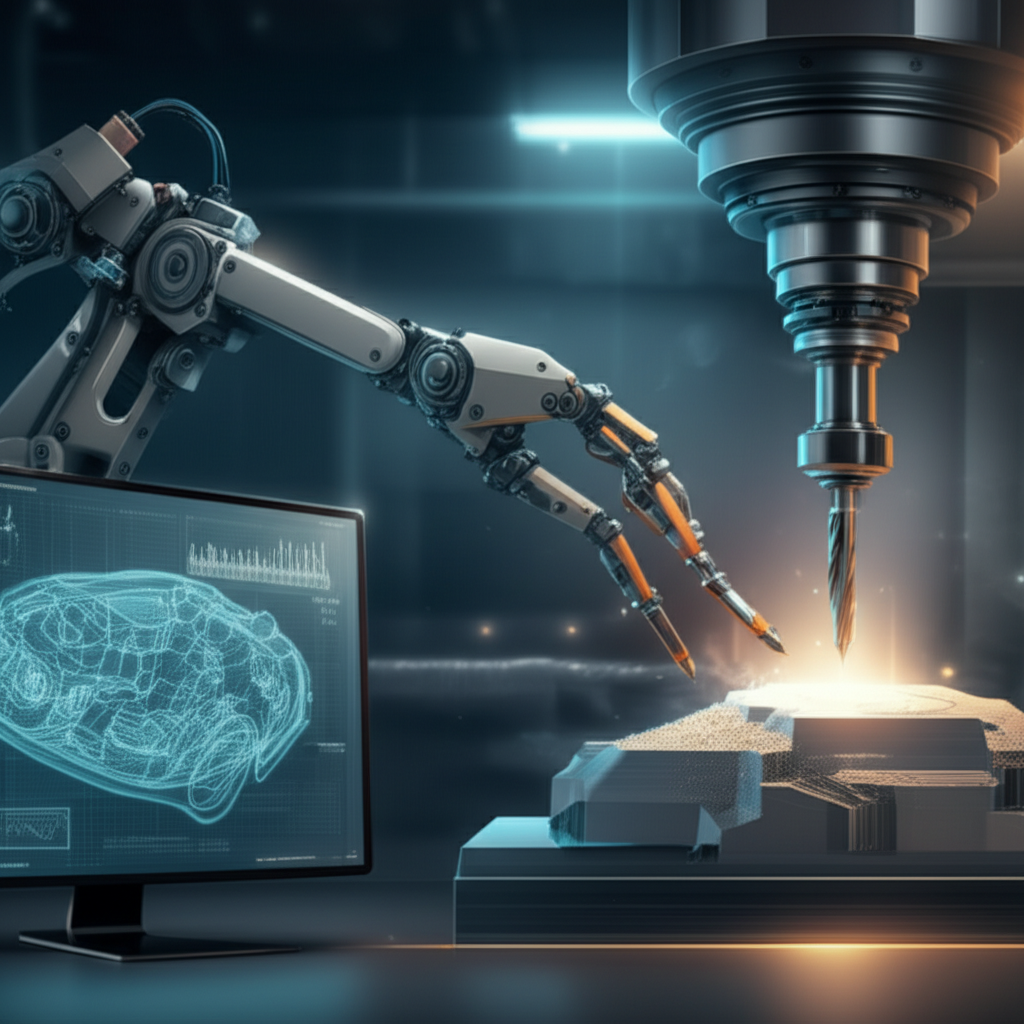
The process begins with the Design & CAD Modeling phase. Engineers and designers create a detailed 3D model of the part using computer-aided design (CAD) software. This digital blueprint contains all the geometric specifications, dimensions, and tolerances required for manufacturing. The CAD file is then translated using Computer-Aided Manufacturing (CAM) software into a set of instructions, known as G-code, that the CNC machine can understand and execute. This direct link between digital design and physical production minimizes the risk of human error and ensures the final part perfectly matches the original intent.
Next is the Prototyping & Validation stage. Before committing to a large production run, companies often create prototypes to test the form, fit, and function of a part. CNC machining is ideal for rapid prototyping because it can produce functional, high-fidelity models from production-grade materials quickly. This allows teams to validate their designs, make necessary adjustments, and iterate efficiently, significantly reducing development time and avoiding costly mistakes down the line.
Once the design is finalized, the process moves to Material Selection and Production. A suitable material is chosen from a wide range of options based on the product's requirements. The CNC machine is then set up, and the manufacturing process begins. One of the key strengths of CNC machining is its scalability. It is equally effective for low-volume production, which is ideal for niche products or market testing, and high-volume manufacturing for mass-market goods. This flexibility allows businesses to scale production up or down in response to consumer demand without sacrificing quality or precision.
Choosing Your CNC Machining Partner: Critical Factors for Success
Selecting the right manufacturing partner is as crucial as the design of the product itself. A capable and reliable CNC machining provider acts as an extension of your team, ensuring your components are produced to the highest standards, on time, and within budget. When evaluating potential partners, several key factors should be considered to ensure a successful and seamless production experience.
First, evaluate their technical capabilities and industry experience. A partner with advanced machinery, such as 3, 4, and 5-axis CNC systems, can handle more complex geometries and intricate designs with greater efficiency. Look for a provider with a proven track record in the consumer goods sector, as they will better understand the specific demands related to aesthetics, durability, and cost-effectiveness. Their expertise can provide invaluable design for manufacturability (DFM) feedback, helping you optimize your parts for production and reduce costs without compromising quality.
Quality control and certifications are non-negotiable. A trustworthy partner will have robust quality assurance processes, including the use of Coordinate Measuring Machines (CMMs) for precise part verification. Certifications like ISO 9001 demonstrate a commitment to maintaining the highest quality standards throughout the manufacturing process. For businesses looking for a partner that exemplifies these traits, providers like XTJ offer ISO 9001 certified services, advanced 4 and 5-axis machining, and tight tolerances down to +/- 0.005mm, ensuring components meet the most demanding specifications.
Finally, consider their production capacity and logistical solutions. The right partner should be able to scale with your needs, accommodating everything from rapid prototyping and low-volume runs to high-volume production. Inquire about their lead times, on-time delivery record, and whether they offer turnkey solutions that include material sourcing, assembly, and inventory management. A partner who can manage the entire supply chain streamlines your operations and allows you to focus on innovation and marketing.
Frequently Asked Questions About CNC Machining Costs
1. What is the hourly rate for a CNC machine?
There is no universal hourly rate for CNC machining, as costs vary widely based on several factors. These include the complexity of the part, the type of machine required (e.g., 3-axis vs. 5-axis), the material being used, and the geographic location of the service provider. While some general estimates suggest rates can range from $60 to $150 per hour, the final price is determined by the total time needed to program and run the machine for a specific project.
2. How much does it cost to get something CNC machined?
The total cost of a CNC machined part is a sum of several components. It includes the cost of the raw material, the programming and setup time for the machine, the actual machining time, and any post-processing or finishing services required. Part complexity, required tolerances, and the production volume also significantly influence the price. A simple part produced in high volume will have a much lower per-unit cost than a complex, one-off prototype.
3. What is the most profitable CNC project?
Profitability in CNC machining often comes from specializing in high-demand or high-value niches. Projects that require high precision, complex geometries, or work with exotic materials, such as components for the aerospace, medical, or luxury goods industries, tend to be more profitable. For smaller shops or individual operators, creating custom consumer products like bespoke furniture parts, automotive accessories, or specialized equipment can also be highly lucrative, as they command premium prices.
-
Posted in
cnc machining, consumer goods manufacturing, custom parts, precision manufacturing, product prototyping