Expert CNC Plastic Fabrication Services for Your Project
TL;DR
CNC plastic fabrication services use computer-controlled machines to precisely cut, shape, and finish a wide variety of plastics into custom parts. These services are ideal for creating everything from rapid prototypes to large production runs with exceptional accuracy and speed. Key benefits include tight tolerances, consistent quality, and compatibility with numerous high-performance materials to serve industries like aerospace, medical, and electronics.
Our Comprehensive CNC Plastic Fabrication Capabilities
Modern plastic fabrication relies on a suite of advanced CNC (Computer Numerical Control) processes to transform raw plastic stock into finished components with remarkable precision. Each technique offers unique advantages for different geometries, materials, and project requirements. By leveraging a full range of capabilities, a fabrication partner can ensure the most efficient and effective method is used for your specific design.
Our services encompass a wide array of state-of-the-art techniques to meet any challenge. We handle everything from simple cuts to complex, multi-axis machining. Understanding these core processes helps in designing parts that are optimized for manufacturing.
- CNC Milling: This process uses rotating multi-point cutting tools to remove material from a stationary workpiece. It is ideal for creating complex shapes, slots, holes, and three-dimensional contours on plastic blocks or sheets.
- CNC Turning: Best for cylindrical parts, turning involves rotating the plastic workpiece while a single-point cutting tool moves along its surface. This process is used to create parts with intricate rotational features, such as shafts, connectors, and custom fittings.
- CNC Routing: Similar to milling but often used for cutting large sheets of plastic into flat, two-dimensional shapes. As noted by service providers like SeaGate Plastics, CNC routers are perfect for signage, panels, and structural components.
- Drilling and Tapping: These fundamental processes create precise holes and threads in plastic parts. CNC control ensures that holes are perfectly positioned and threads are cut to exact specifications for reliable assembly.
- Laser Cutting: This technique uses a focused laser beam to melt, burn, or vaporize the plastic, resulting in a clean, sealed edge. It is exceptionally fast and precise, especially for intricate patterns in materials like acrylic (PMMA).
- Bending and Forming: Many plastics can be heated and bent to create specific angles or curves, a process often called thermoforming. This is a cost-effective way to create enclosures, guards, and other structural items without the need for complex molds.
Plastics We Machine: A Guide to Our Materials
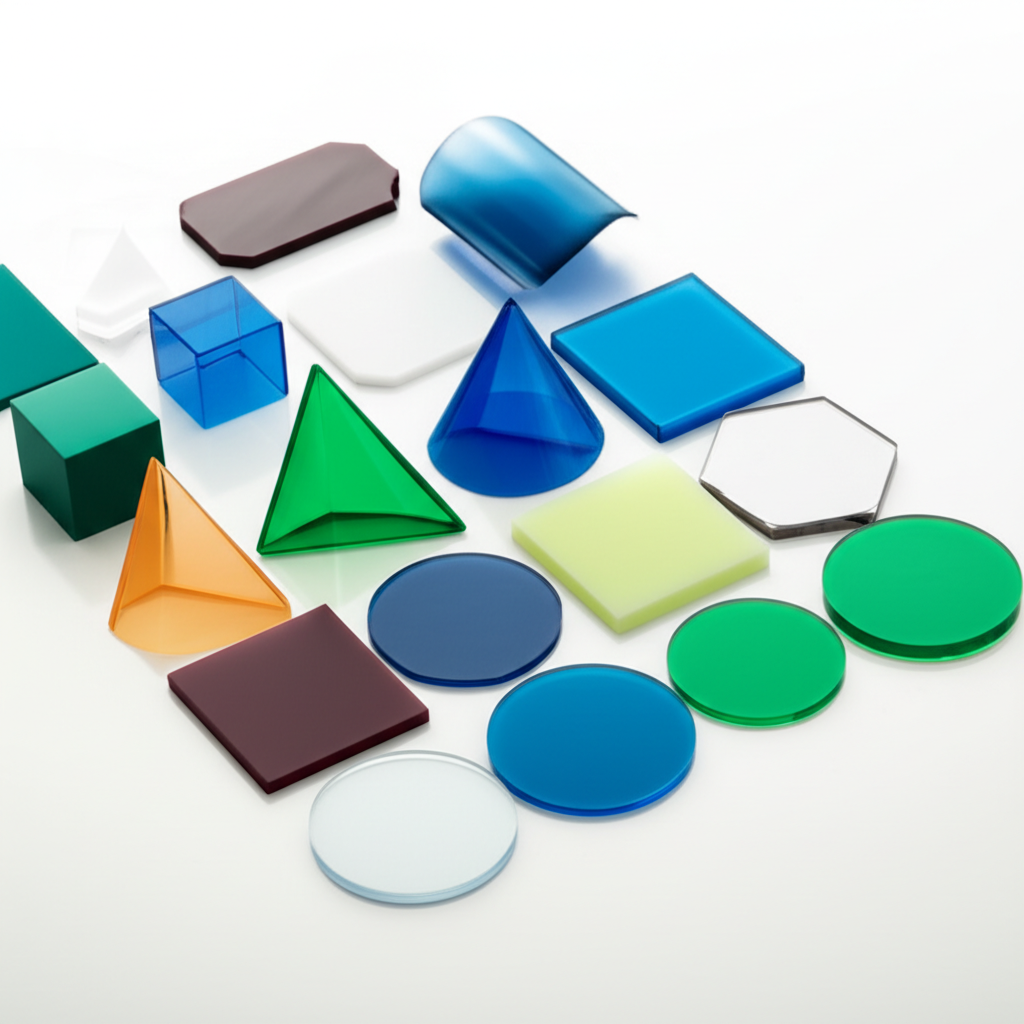
The success of a CNC-machined part depends heavily on selecting the right material. Plastics offer a vast range of properties, from general-purpose durability to high-performance resistance against heat, chemicals, and wear. Each polymer has a unique combination of strength, flexibility, temperature tolerance, and cost. Partnering with a service that has deep material expertise ensures your component will perform reliably in its intended application.
We work with a diverse inventory of engineering-grade and high-performance plastics to meet the demands of any project. Below are some of the most common materials we machine, sourced from industry leaders like Protolabs Network.
- ABS (Acrylonitrile Butadiene Styrene): A common, cost-effective thermoplastic known for its impact resistance and toughness. Ideal for enclosures, consumer product prototypes, and automotive trim.
- Acrylic (PMMA): Often used as a lightweight, shatter-resistant substitute for glass. Its optical clarity makes it perfect for displays, light pipes, and transparent covers.
- Polycarbonate (PC): Features superior toughness, high impact strength, and temperature resistance. Commonly used for safety guards, electronic lenses, and medical device components.
- Nylon (PA): Offers excellent mechanical strength, stiffness, and resistance to wear and chemicals. It's a top choice for gears, bearings, and other high-friction applications.
- POM (Delrin®, Acetal): A high-stiffness, low-friction plastic with excellent dimensional stability. It is frequently used for precision parts like bushings, rollers, and electrical insulators.
- PEEK (Polyether Ether Ketone): A high-performance thermoplastic with exceptional mechanical strength and resistance to extreme temperatures and harsh chemicals. Used in demanding aerospace, medical, and industrial applications.
- PTFE (Teflon®): Known for its extremely low coefficient of friction and outstanding chemical resistance. It is the go-to material for non-stick surfaces, seals, and chemical-resistant liners.
- UHMW Polyethylene: An incredibly durable and abrasion-resistant plastic with low friction. It excels in applications like wear strips, chain guides, and chute liners.
What to Look for in a Plastic Fabrication Partner
Choosing the right CNC plastic fabrication service is critical to the success of your project. The ideal partner offers more than just machining capabilities; they provide expertise, quality assurance, and reliability. When evaluating potential suppliers, it's important to look for key differentiators that ensure your parts are delivered on time and to your exact specifications. These factors build the foundation for a successful and lasting manufacturing relationship.
Focus on partners who demonstrate a commitment to excellence in the following areas:
- Precision and Quality Control: The best fabricators have rigorous quality management systems in place. Look for certifications like ISO 9001, which indicates a commitment to consistent, high-quality output and process control.
- State-of-the-Art Equipment: Advanced multi-axis (4- and 5-axis) CNC machines enable the production of highly complex geometries in a single setup. This improves accuracy, reduces lead times, and lowers costs compared to less advanced equipment.
- Fast Turnaround Times: In today's competitive landscape, speed is essential. A reliable partner should offer clear lead times for both prototyping and production runs, helping you get your products to market faster.
- Material and Design Expertise: A truly valuable partner acts as a consultant, offering guidance on material selection and design for manufacturability (DFM) to optimize your part's performance and cost-effectiveness.
For instance, providers like XTJ exemplify these qualities by offering rapid prototyping with lead times from just three days, utilizing advanced 4 and 5-axis machines to achieve tolerances as tight as +/- 0.005mm. Their ISO 9001 certification and experience across demanding industries like aerospace and medical demonstrate a proven track record of delivering high-precision parts you can trust.
Industries We Serve
CNC plastic fabrication is a cornerstone of product development and manufacturing across nearly every major industry. The versatility, light weight, and unique properties of engineered plastics make them indispensable for creating components that meet stringent performance standards. From life-saving medical devices to critical aerospace parts, precisely machined plastics drive innovation and efficiency.
Our expertise extends across a variety of demanding sectors, where we provide custom solutions tailored to specific industry needs. As detailed by manufacturing platforms like Xometry, these industries rely heavily on the benefits of machined plastics.
- Aerospace and Defense: Lightweight, high-strength plastics are used for interior components, connectors, and insulating elements to reduce weight without sacrificing performance.
- Medical and Healthcare: Biocompatible and sterilizable plastics are machined into surgical instruments, diagnostic equipment components, and custom implants.
- Automotive: Durable and wear-resistant plastics are used for gears, bushings, and interior trim components, contributing to vehicle efficiency and longevity.
- Electronics and Semiconductors: Plastics with excellent electrical insulating properties are critical for creating enclosures, connectors, sockets, and test fixtures.
- Consumer Products: From sleek ABS enclosures for electronics to durable Polypropylene components in appliances, CNC machining enables the rapid prototyping and production of high-quality consumer goods.
Getting a Quote: Our Simple Process
Starting your CNC plastic fabrication project should be a straightforward and transparent process. We have streamlined our quoting and ordering system to eliminate friction and provide you with the information you need as quickly as possible. Our goal is to move your design from a digital file to a physical part with maximum efficiency.
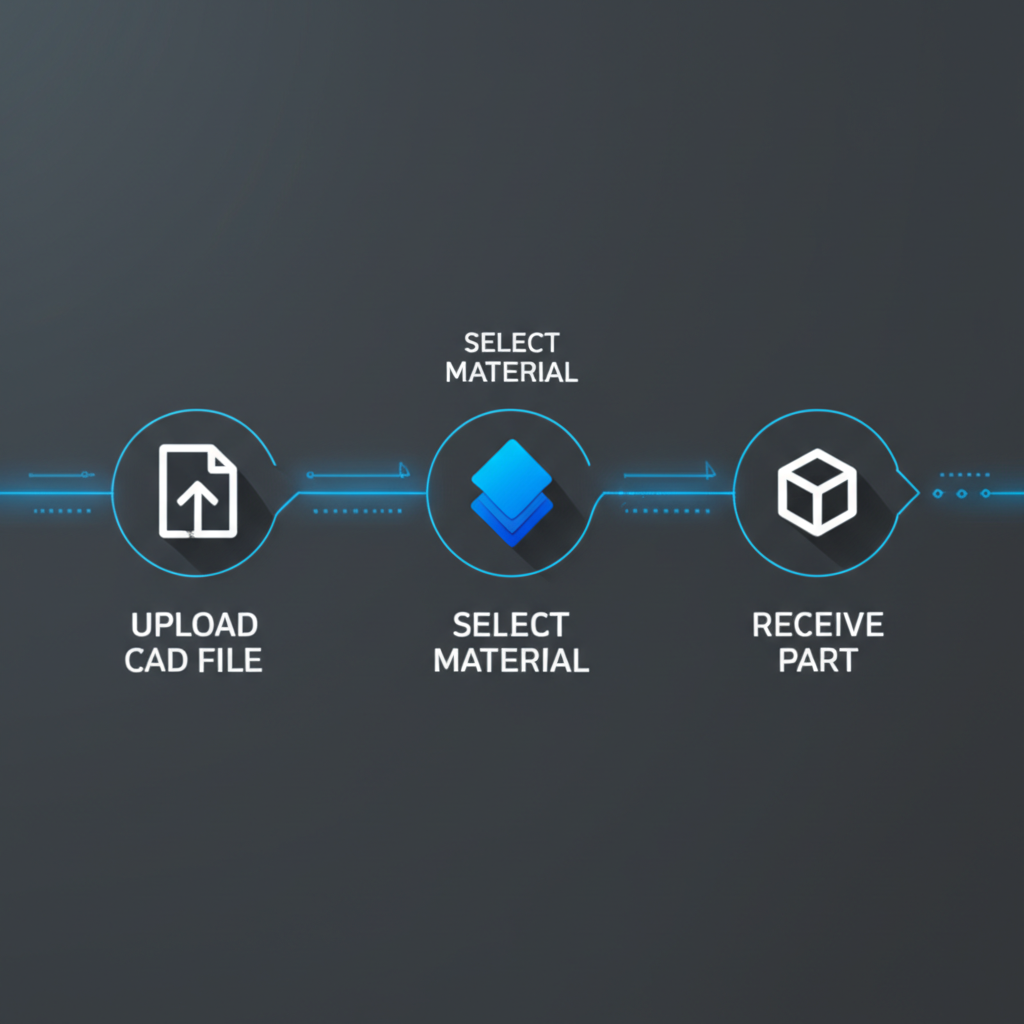
Follow these simple steps to get a fast, no-obligation quote for your custom plastic parts:
- Upload Your Design File: Submit your 3D CAD model (e.g., STEP, IGS, or STL file) through our secure online portal. Our system will analyze the geometry to determine manufacturability.
- Specify Your Requirements: Select your desired plastic material, quantity, surface finish, and any specific tolerances or secondary operations you require.
- Receive Your Quote: Our system will generate a detailed quote with pricing and estimated lead times. Once you approve the quote, we will begin production immediately.
Frequently Asked Questions
1. Does CNC work on plastic?
Yes, CNC machining is an extremely effective and widely used method for manufacturing parts from plastic. Because plastics are generally softer than metals, they can often be machined faster and with less tool wear. The process is compatible with a vast range of rigid polymers, making it a top choice for creating high-precision plastic components with tight tolerances.
2. How much does it cost to have something CNC machined?
The cost of CNC machining varies significantly based on several factors. Key variables include the complexity of the part's geometry, the type and cost of the raw plastic material, the total machining time required, and the order quantity. Simple parts made from common materials in high volumes will have a lower per-unit cost than complex, one-off prototypes made from high-performance plastics.
3. What is the hourly rate for a CNC machine?
CNC machine hourly rates can range from approximately $50 to over $150 per hour. The rate depends on the machine's complexity (3-axis vs. 5-axis), its location, and the shop's overhead. However, the hourly rate is just one component of the total cost; material costs and programming time are also significant factors in the final price of a machined part.
-
Posted in
cnc machining, CNC routing, custom plastic parts, plastic fabrication, precision machining