CNC Machined EV Suspension Prototypes
Introduction
All new electric vehicle projects rely on suspension and brake prototypes for safety performance testing before mass production molds are manufactured. Key chassis samples including control arms, steering knuckles and brake caliper housings feature intricate mixed structures, uneven wall thickness and high-precision mounting surfaces. Tiny dimensional deviations will compromise chassis stability and braking safety during road tests.
Our custom CNC machining delivers high-precision EV suspension prototypes to automotive R&D teams and Tier 1 suppliers, accelerating design verification and cutting early-stage testing risks.
Core Machining Challenges for EV Suspension & Brake Prototypes
EV chassis prototypes integrate multiple functional structures into one compact part. A single control arm prototype requires precise machining for ball joint seats, bushing holes and lightweight reinforcing ribs simultaneously; minor tolerance errors directly block assembly during bench testing.
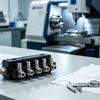
Brake caliper prototypes raise extra manufacturing hurdles: inner cavities and mounting bores demand ultra-stable positioning. Flatness deviation on sealing surfaces or misplaced holes will lead to failed hydraulic testing. Stable fixtures and tailored processing plans are mandatory for EV brake CNC prototypes.

Frequent CAD revisions are another major pain point for EV developers. Machining partners need flexible production workflows to remake updated samples rapidly while keeping uniform quality across prototype batches.
5-Axis CNC Eliminates Thin-Wall Distortion & Concentricity Defects

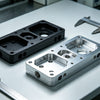
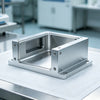
Lightweighting is a core trend of modern EV chassis, resulting in thin-wall aluminum components with complex curved outlines. Aggressive cutting force easily warps thin structures and ruins dimensional accuracy.
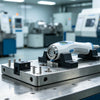
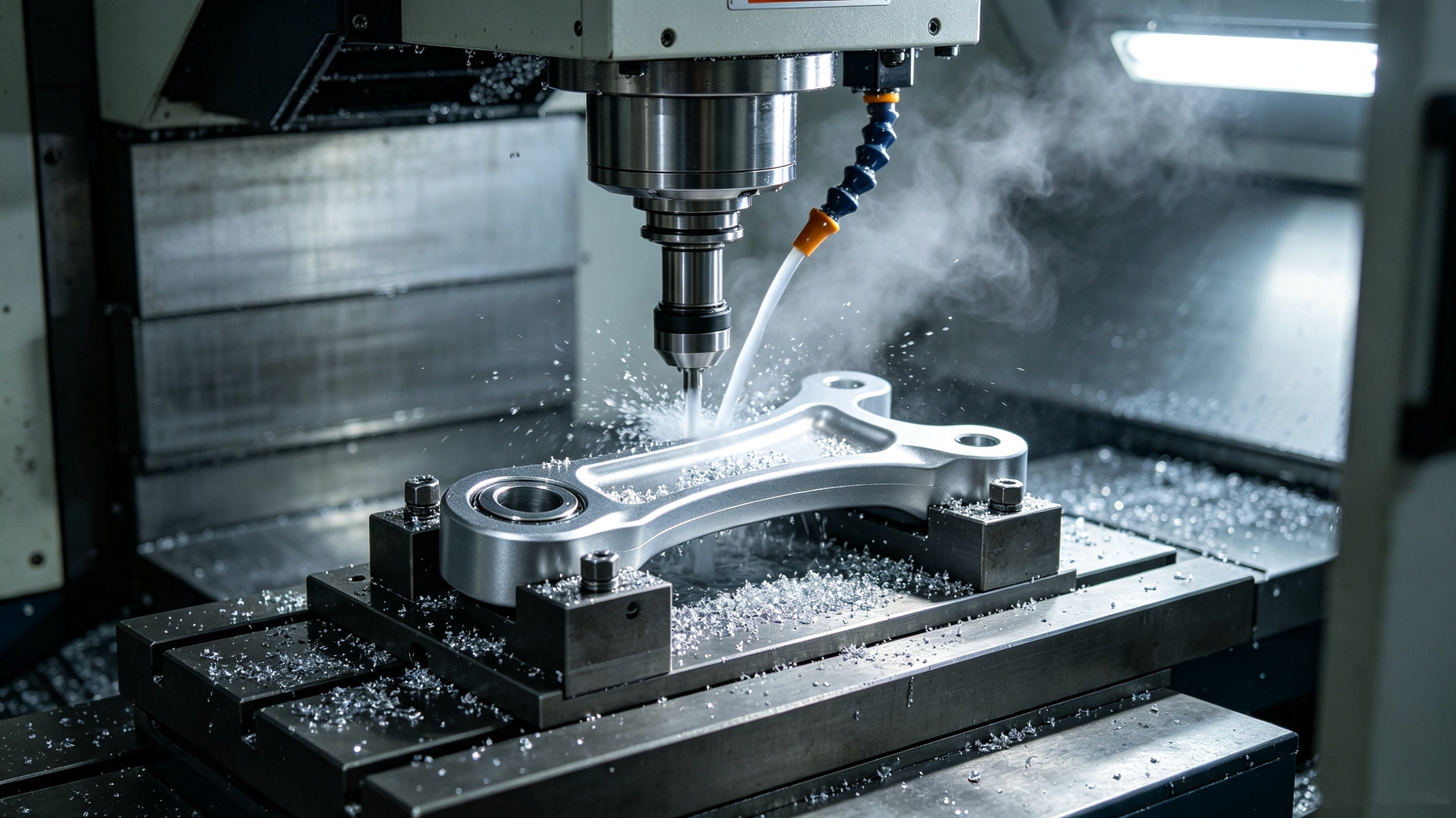
5-axis CNC completes multi-sided machining in one single clamp, minimizing repeated repositioning errors for suspension brackets and brake housings. Optimized tool paths and customized fixtures effectively suppress thin-wall deformation and guarantee coaxiality of critical holes. This technology is ideal for fast iteration of complex aluminum chassis prototypes prior to mass production.
Top Aluminum Alloys for EV Chassis Prototypes
Material selection determines the authenticity of EV prototype performance tests.
 6061-T6 aluminum is the mainstream option for suspension and brake prototypes. It balances mechanical strength, easy machining and flexible surface finishing, perfectly simulating formal production part performance for lab testing.
6082 aluminum boasts superior load-bearing capacity, making it ideal for structural prototypes that undergo intense stress and fatigue vehicle testing. Both alloys enable engineers to conduct authentic functional verification without costly casting mold investment.
Our machining workflow fully adapts to aluminum alloy traits, controlling cutting heat and surface finish to meet strict automotive inspection standards.
Benefits of Our Custom EV Prototype Machining Service
We serve EV startups, automotive Tier 1 manufacturers and chassis R&D teams with flexible low-MOQ prototype production, eliminating inventory waste in early development phases.
Quick design iteration is our core strength. Once engineers adjust suspension geometry or brake structures after testing, our programming team updates processing files rapidly to deliver revised samples and shorten overall EV development cycles.
Every prototype batch comes with official dimensional inspection reports covering hole position, flatness and overall geometry, providing credible measurement data for your engineering evaluation.

FAQ
What EV chassis prototypes can you machine via CNC?
We produce CNC prototypes for suspension control arms, steering knuckles, brake caliper housings and various precision mounting brackets for all EV bench and road testing.
CNC machining vs casting: which fits EV prototypes better?
Casting requires long lead times for custom molds, while CNC machining directly processes aluminum blanks from CAD files. It supports unlimited design modifications and is the best choice for small-batch functional prototypes.
How to prevent thin-wall prototype deformation during machining?
We adopt low-stress cutting parameters, dedicated supporting fixtures and post-process dimensional detection to limit distortion and maintain tight automotive tolerances.
Conclusion
Precision prototype manufacturing speeds up iterative upgrades of EV chassis and braking systems. CNC-machined suspension and brake prototypes allow engineers to conduct real-world performance testing before investing in mass production equipment. Our custom automotive CNC prototype solutions feature stable precision, flexible order volumes and complete inspection support to streamline your new energy vehicle R&D schedule.