The “Pitfalls” in CNC Turning Quotes: 5 Hidden Costs That Buyers Most Often Overlook
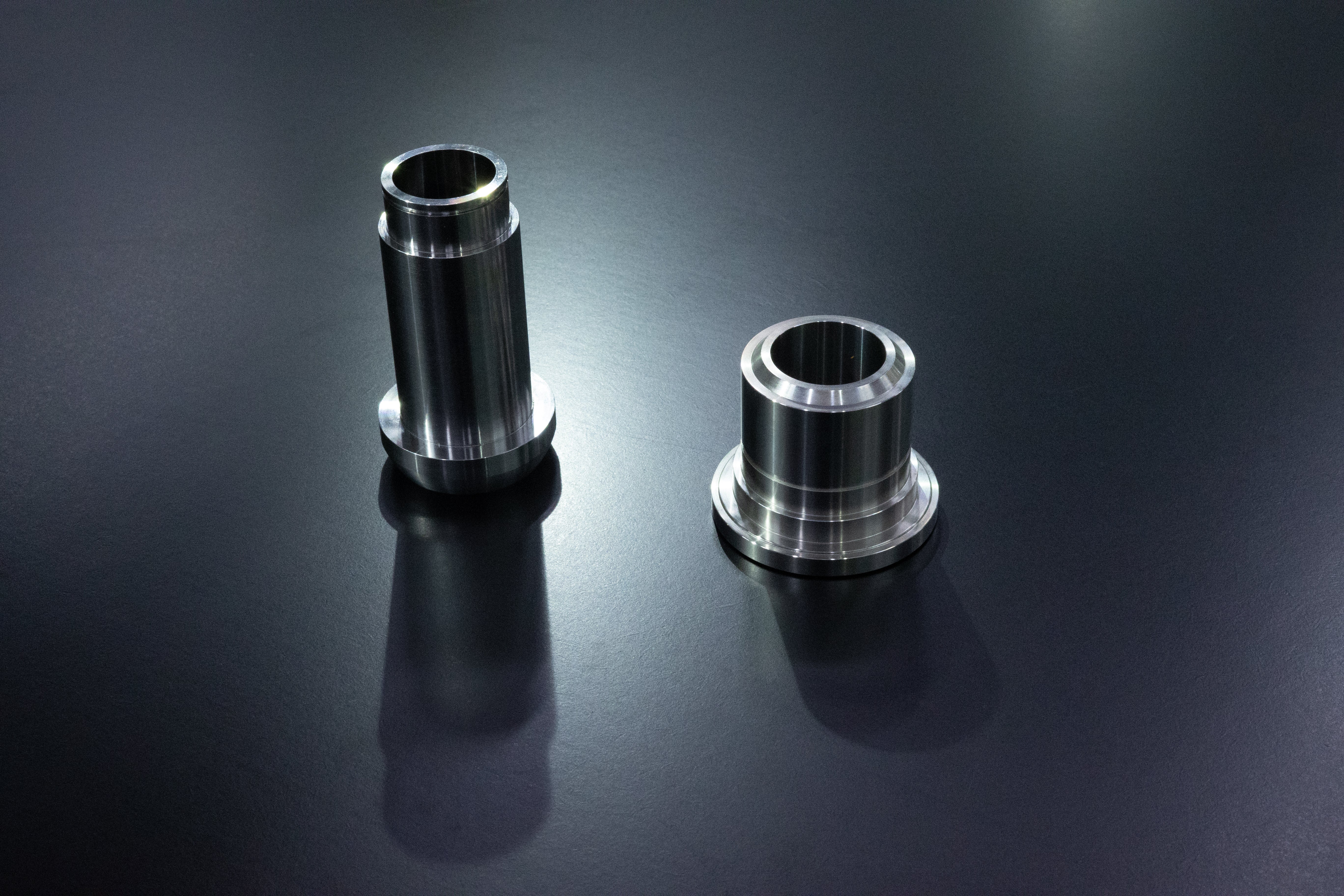
Having worked in CNC turning quoting for 25 years, we have reviewed thousands of quotes. Some quotes look low at first glance but result in a shockingly high final bill; others seem high but actually save money in the long run. Eight out of ten buyers have fallen into the following five pitfalls.
Article Outline
A True Story
Pitfall 1: Material Utilization—“Quoted Low, Used High”
Pitfall 2: Inspection Fees—“Per Piece or Per Batch?”
Pitfall 3: Surface Treatment—“Unit Price Is More Deceptive Than Total Price”
Pitfall 4: Packaging and Shipping—“The Final Margin”
Pitfall 5: The Inventory Costs Hidden Behind Minimum Order Quantities
A Quote Checklist
Two Final Pieces of Honest Advice
I. A True Story
Last year, a client asked me to review a quote for him: stainless steel shafts, 25mm outer diameter, 150mm long, in a batch of 500 pieces. The unit price was 45 yuan, 12 yuan cheaper than that of another supplier's.
I asked him, “What’s the diameter of the raw material?”
He replied, “30mm.”
The finished product’s maximum outer diameter is 25mm—so why use 30mm bar stock? That extra diameter increases material costs by 45%. The extra material cost for 500 pieces could have covered the production of 200 more parts. It was clearly stated in the quote, but no one pointed it out to him.
II. Pitfall 1: Underreporting Material Utilization
What’s the problem?
It’s standard practice to use bar stock 3–5mm larger in diameter than the finished product’s maximum outer diameter to account for machining allowances. However, if the bar stock is 8–10mm larger, that’s a problem. The excess diameter directly increases material costs (especially noticeable with stainless steel, where each 1mm increase in diameter raises the cost per meter by 8%–12%), extends machining time, and accelerates tool wear.
How to Identify It?
Reasonable Allowance: Finished product’s maximum outer diameter + 2–3 mm on each side. For example, if the finished product is 25 mm, a bar stock of 28–30 mm is reasonable. If a quote lists 32 mm or larger, ask: “Why not use a smaller size?”
There’s also a more subtle tactic: the quoted diameter seems reasonable, but the supplier actually uses low-quality, unbranded material. Inconsistent hardness leads to premature tool failure—and ultimately, the customer ends up footing the bill for this cost.
III. Pitfall #2: Inspection Fees—“Per Piece or Per Batch?”
What’s the problem?
The quote states “inspection fee: 5 yuan/piece,” so 500 pieces would cost 2,500 yuan. However, the supplier only performs a 100% inspection on the first piece (cost: 200 yuan) and a 10% random inspection (cost: 300 yuan), leaving the remaining 2,000 yuan as pure profit.
Even worse: the quote doesn’t mention inspection fees, and when the deadline arrives, they claim “rush full inspections require an additional fee.”
How to identify this?
Require the quote to clearly state: Is the first article's full inspection free? What is the sampling rate? If the sample fails, a 100% full inspection is required—who covers the cost? Is a third-party inspection report included?
The transparent approach: List testing fees separately; offer free testing for the first piece; charge for spot checks per batch; and settle full inspections based on actual costs.
IV. Pitfall 3: Surface Treatment—“Unit Prices Are More Deceptive Than Total Prices”
What’s the problem?
Suppliers don’t perform surface treatments themselves but outsource them to third parties, yet the unit prices listed on the quote are 30%–50% higher than the actual outsourcing costs. For example, hard chrome plating outsourced at 0.8–1.2 RMB/square decimeter is quoted by the supplier at 1.5–2.0 RMB.

Another common tactic: The quote only lists “anodizing” without specifying parameters—is it natural or hard anodizing? What is the film thickness? Is sealing included? Without these details, they’ll offer you the cheapest option, and if you want a higher-quality finish, you’ll have to pay extra.
How to spot this?
Require them to specify: the full process name (e.g., “sulfuric acid anodizing, film thickness 10–15 μm, sealed”), whether pricing is per piece or per area, whether pretreatment is included, and who bears the cost of reworking defective items.
V. Pitfall 4: Packaging and Shipping—“The Final Margin”
What’s the issue?
The last line of the quote reads “Packaging and shipping fee: XX yuan,” and many buyers sign without checking. The packaging cost for standard industrial parts is less than 0.5 yuan per piece. If the quote states “Packaging fee: 2 yuan per piece,” 500 pieces would total 1,000 yuan, while the actual cost is less than 200 yuan.
The same applies to shipping fees. Suppliers often have long-term partnerships with logistics providers, resulting in unit rates far lower than individual shipping rates. However, they quote at market rates and pocket the difference.
How to spot this?
Settle packaging costs based on actual expenses, or set a fixed upper limit (e.g., 0.5 yuan per piece). For shipping, insist on “freight collect” or “reimbursement based on actual logistics invoices”; do not accept a flat-rate quote.
For precision parts requiring vacuum packaging, rust prevention, or reinforced wooden crates, these costs should be listed separately—not lumped under a generic “packaging fee.”